The cuisine of Arta Terme is rooted in Carnian tradition, but it has no single interpretation. Recipes vary from village to village, and even from one family to another. Flavours born of the mountains and of the resourcefulness needed to make the most of what was available still live on today in homes, restaurants and local festivals.
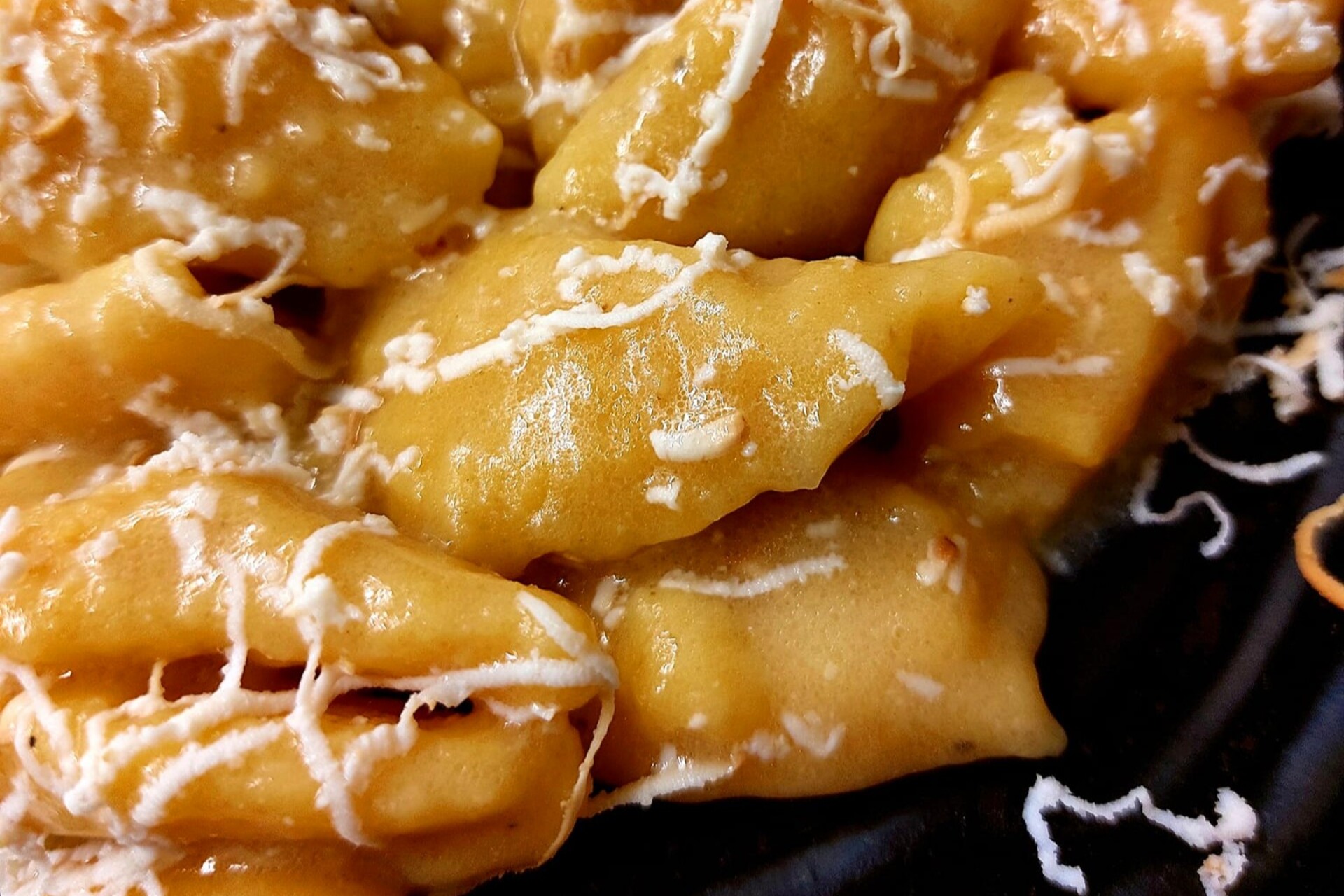
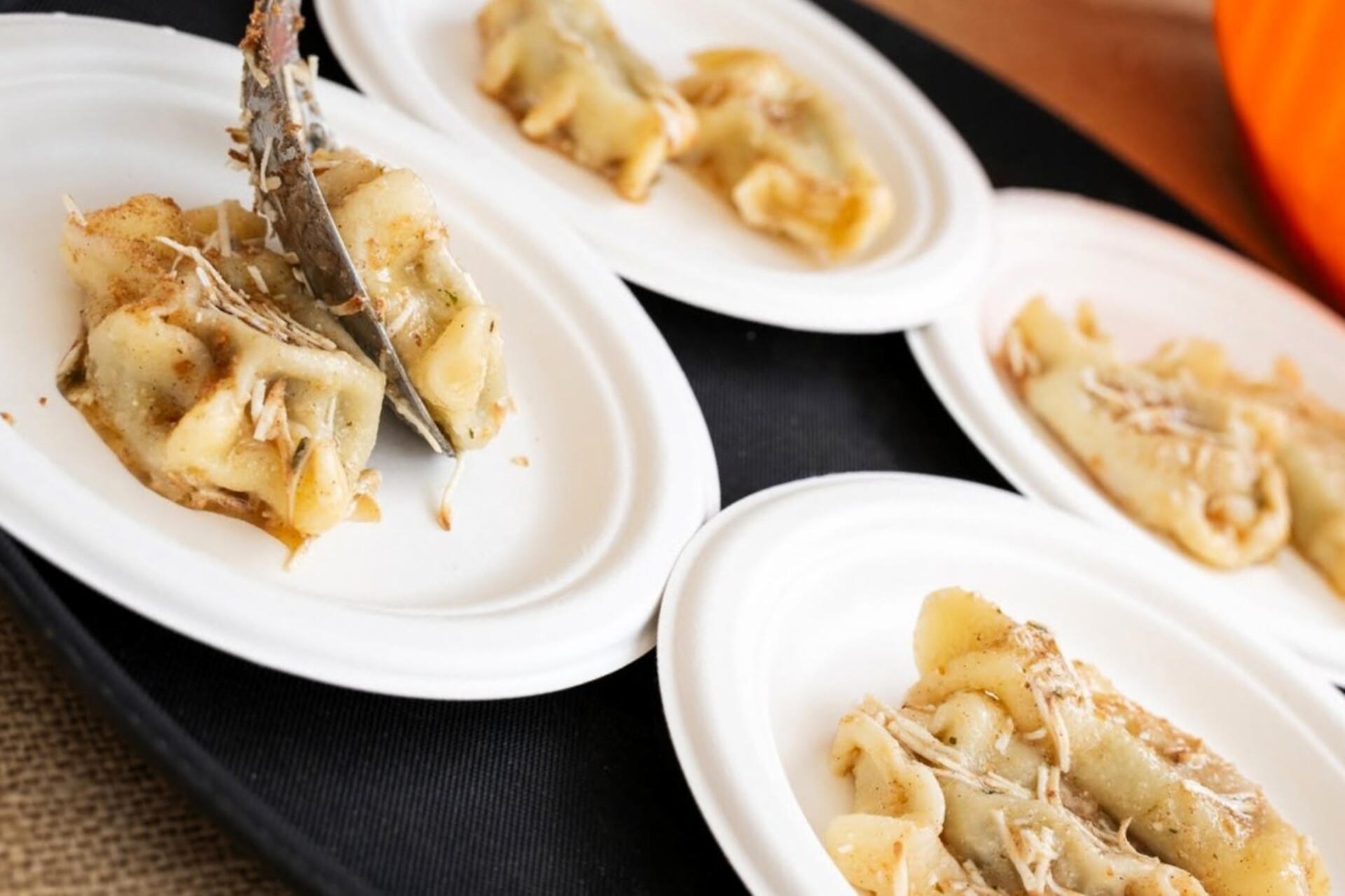
To understand Carnian cuisine, you have to start with the families. Cjarsons are the clearest example: these filled pasta parcels can have sweet, savoury or sweet-and-sour fillings, and every village has its own variations. Often, a recipe belongs to a household before it belongs to a particular place, passed down through generations without ever being written down.
The same home-cooked spirit can be found in gnocchi, served with game ragù, seasonal pestos or prepared with plums, and in frico, one of Carnia’s best-known dishes.
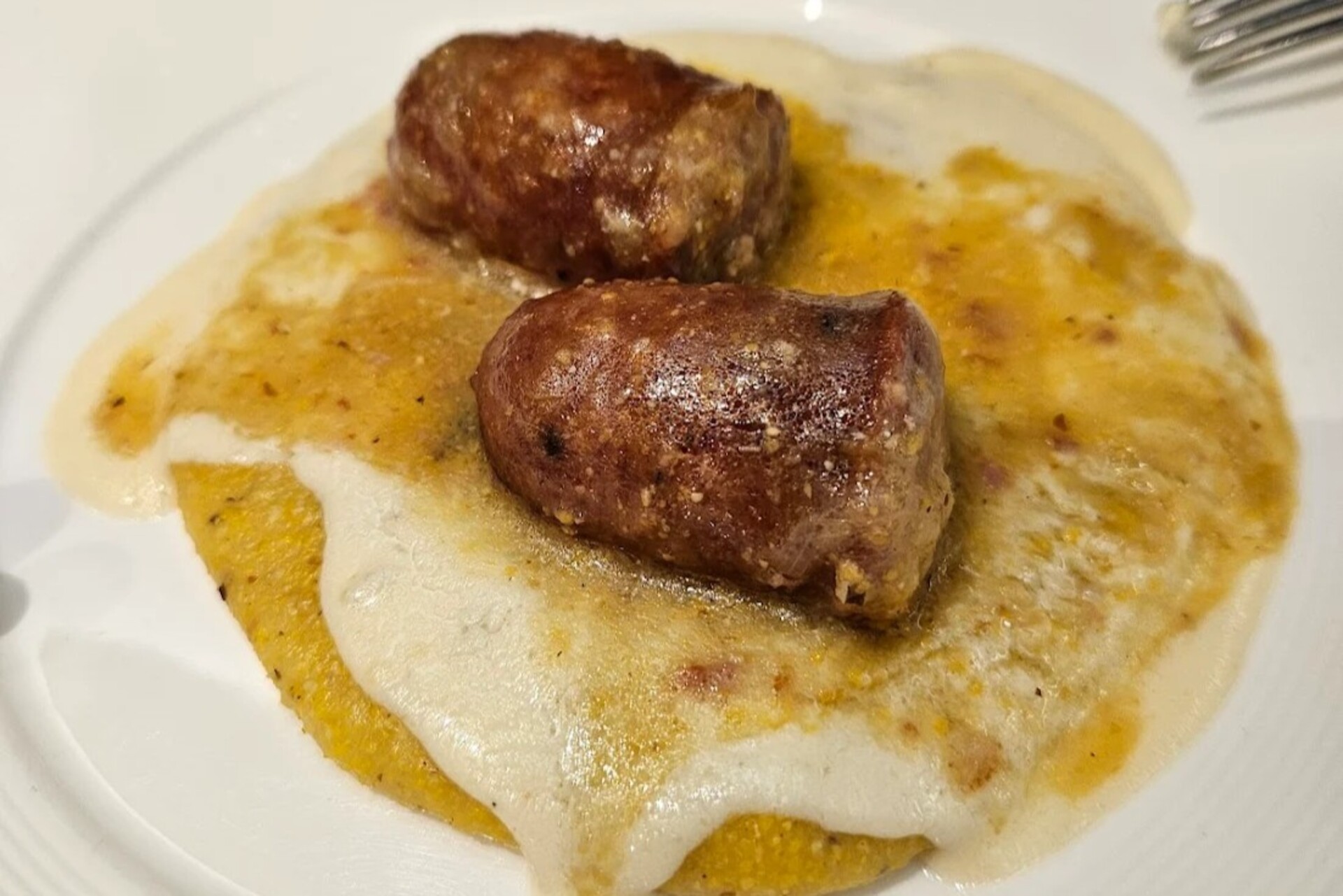
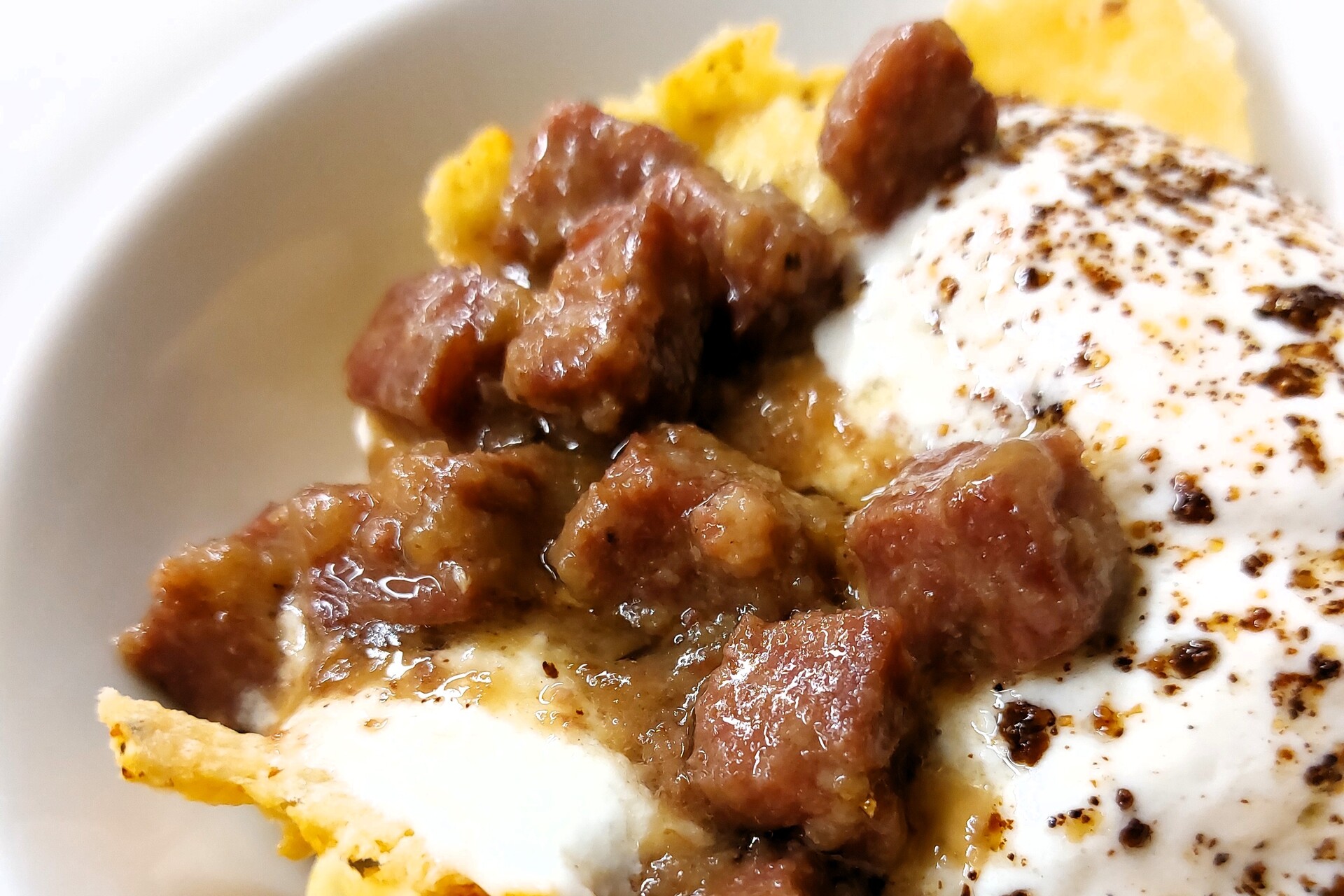
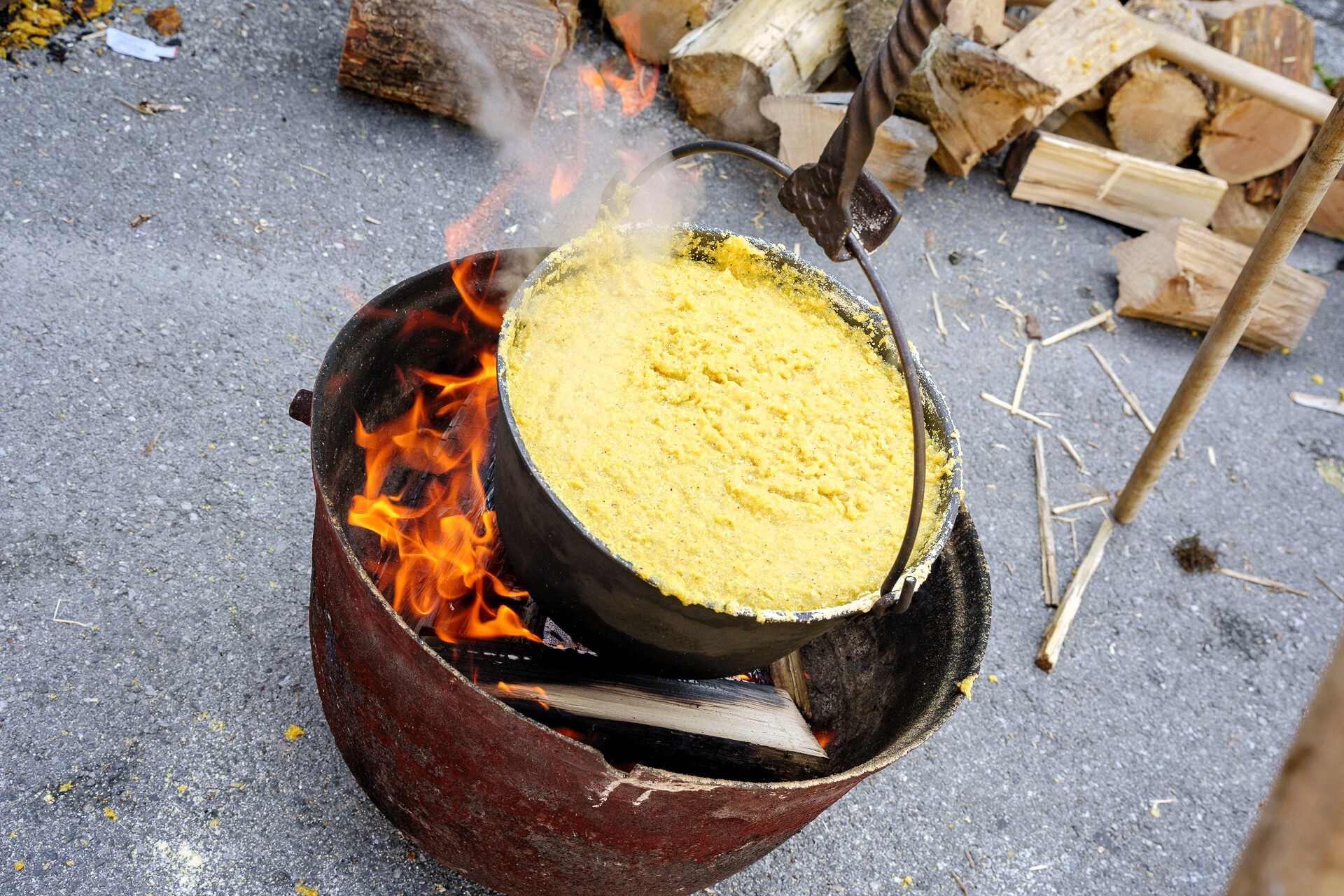
For generations, polenta was an everyday staple, and it is still served alongside meat, cheese and cured meats. In tocj in braide or tocj di vore it becomes part of a hearty, substantial dish.
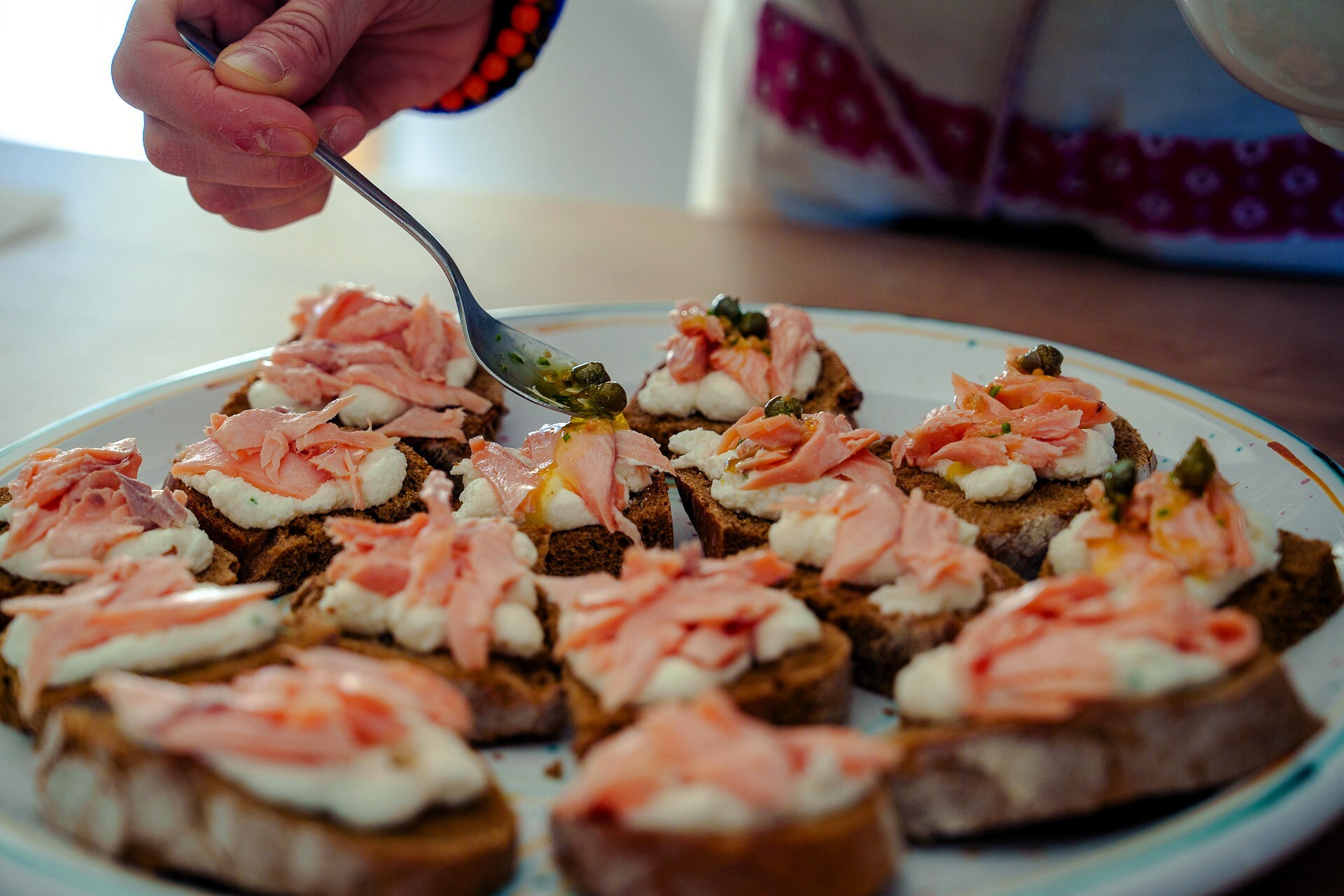
Other flavours are less well known beyond Carnia, but are part of everyday life here: scuete fumade (smoked ricotta), ont (pork lard), homemade salami and çuç, the local cheese that is a fixture at the table every day.


Here, a recipe tells you more than just what people eat: often, it tells you which village and which family you come from.
What the land provides
An important part of this cuisine follows the rhythm of the seasons. Spring brings wild herbs and shoots, summer brings fruit and harvests, while autumn is the season for mushrooms and foods preserved for the colder months.
These ingredients are also turned into jams, syrups and preserves, as well as small-batch artisan products, thanks to the work of local producers and businesses.
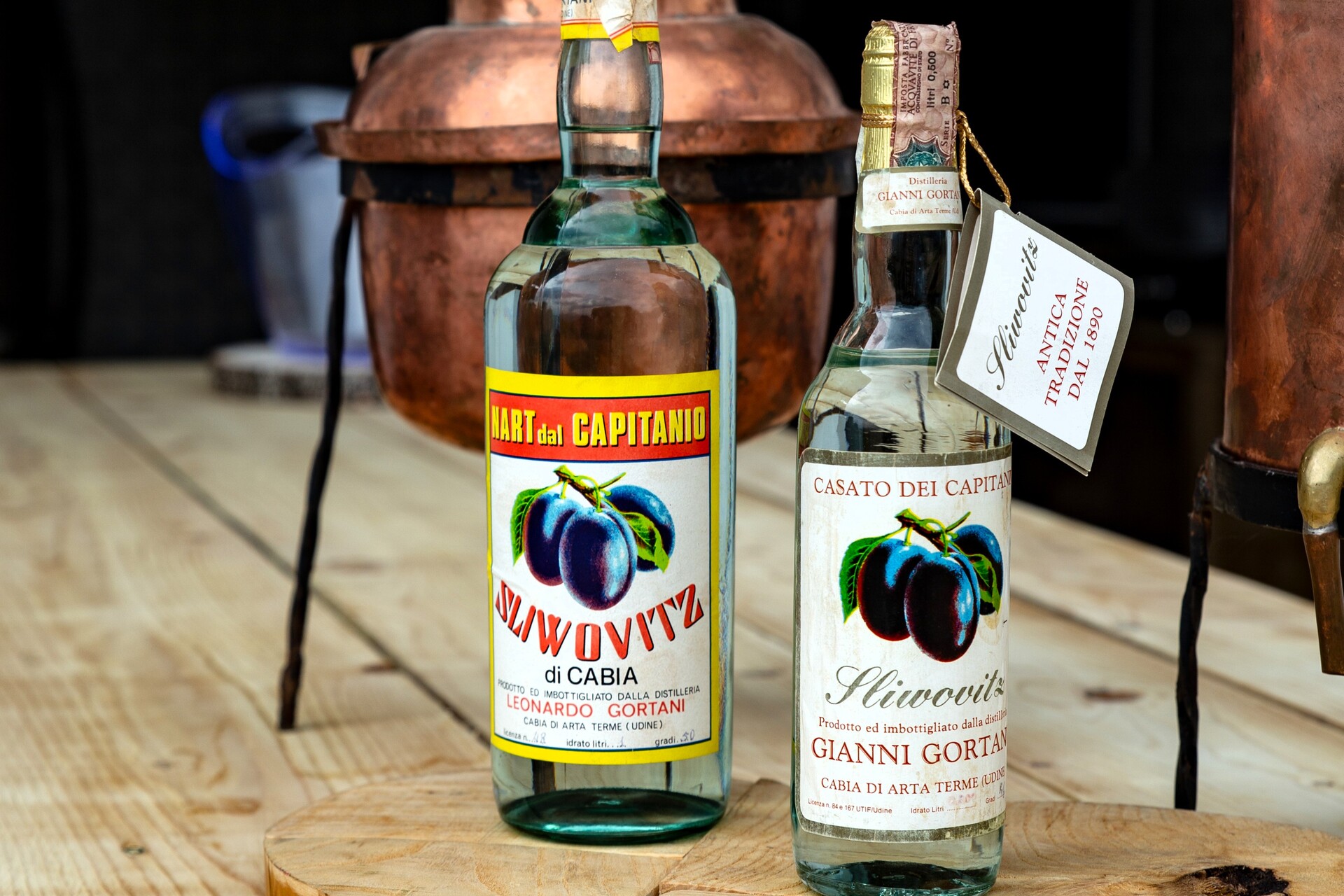
Drinks, too, tell the story of this culture: craft beers, grappa and spirits. In Cabia, the tradition of plum distilling is linked to slivowitz, a fruit brandy that reflects Carnia’s historical ties with Central Europe.
The local food heritage is rounded off by baked goods, biscuits, breadsticks and other specialities. They may never become the destination’s signature dish, but they offer a genuine taste of everyday food culture here.

When the whole village gets cooking
Arta Terme’s relationship with food is most evident during local festivals. These are more than just opportunities to sample something delicious: many events still involve a great deal of collective effort.
For festivals dedicated to cjarsons, people gather in kitchens to make dozens and dozens of them by hand. This happens at the Sagra dei Cjarsons in Valle and Rivalpo and the Festa dei Cjarsons in Piedim, where a family recipe becomes everyone’s heritage for a few days.
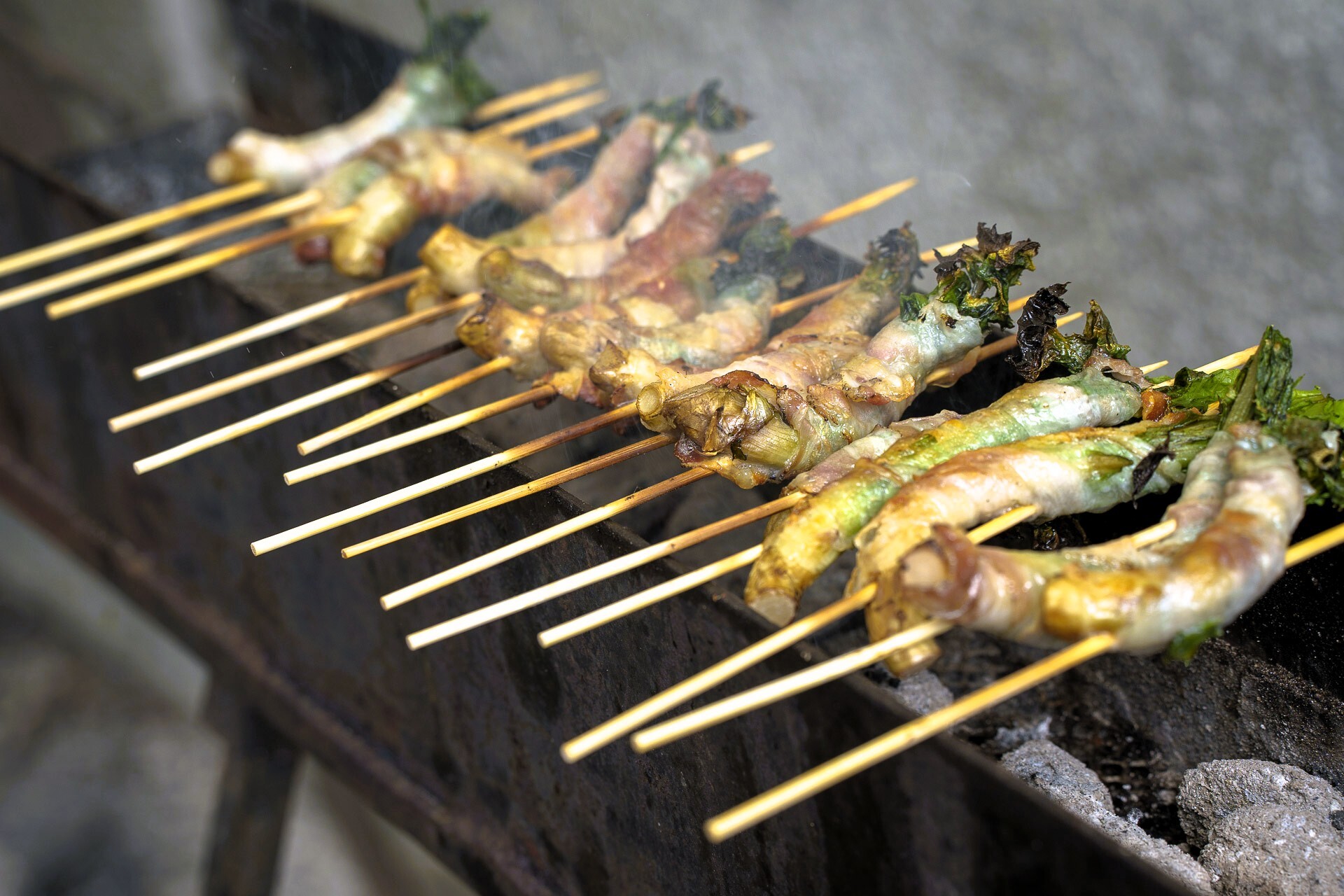
In Piano d'Arta, the festival celebrating wild asparagus, mountain radicchio and spring mushrooms follows the rhythm of the season. The herbs are picked by hand and become the common thread running through the food trail.
In Cabia, Plum Sunday celebrates a product closely associated with the hamlet, while the Cjaminade pai Stai winds through meadows, woods and traditional stavoli, with food stops along the way.
The Beer Festival, organised by the community of Cedarchis, adds another opportunity to gather and enjoy good food and company to the calendar.
Other traditions are tied to specific occasions: Polente Cuinçade on Maundy Thursday, pince brought into homes by the Three Wise Men, and sopes indorades for Femenate. This is when the true value of food in Arta Terme becomes clear: some recipes live on because people still come together to prepare them.


Discovering the flavours of Arta Terme today
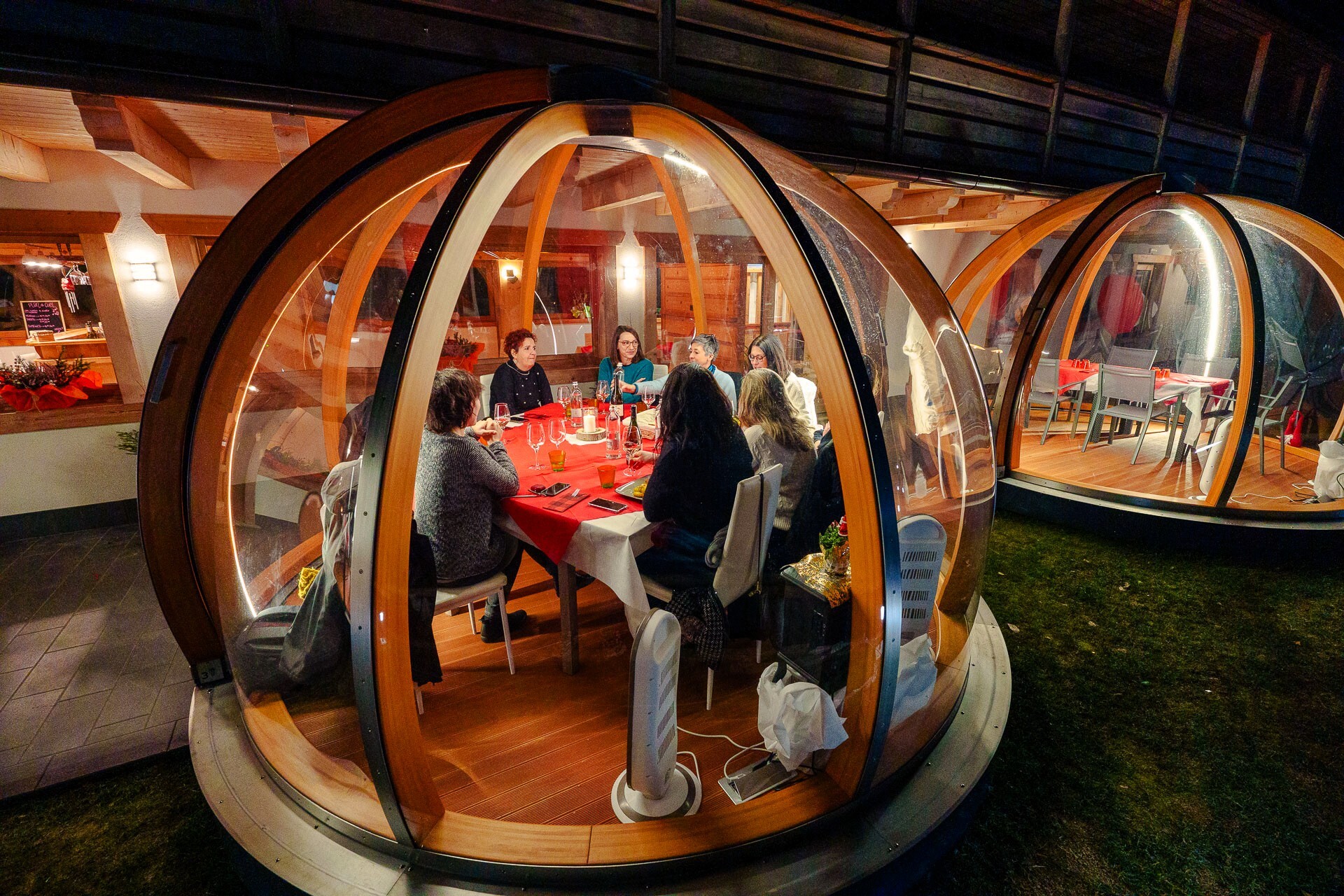
This tradition is not kept alive by festivals alone. Restaurants, hotels, trattorias and other local businesses offer different interpretations of Carnian cuisine: some stay true to home-style recipes, others give them a contemporary twist or build their menus around seasonal ingredients.
Our advice is not to limit yourself to a list of dishes to try. Instead, ask what is being prepared that day, which ingredients are in season, where they come from and what is behind a particular recipe.
Because the flavours of Arta Terme change throughout the year and, just like cjarsons, from one kitchen to another.