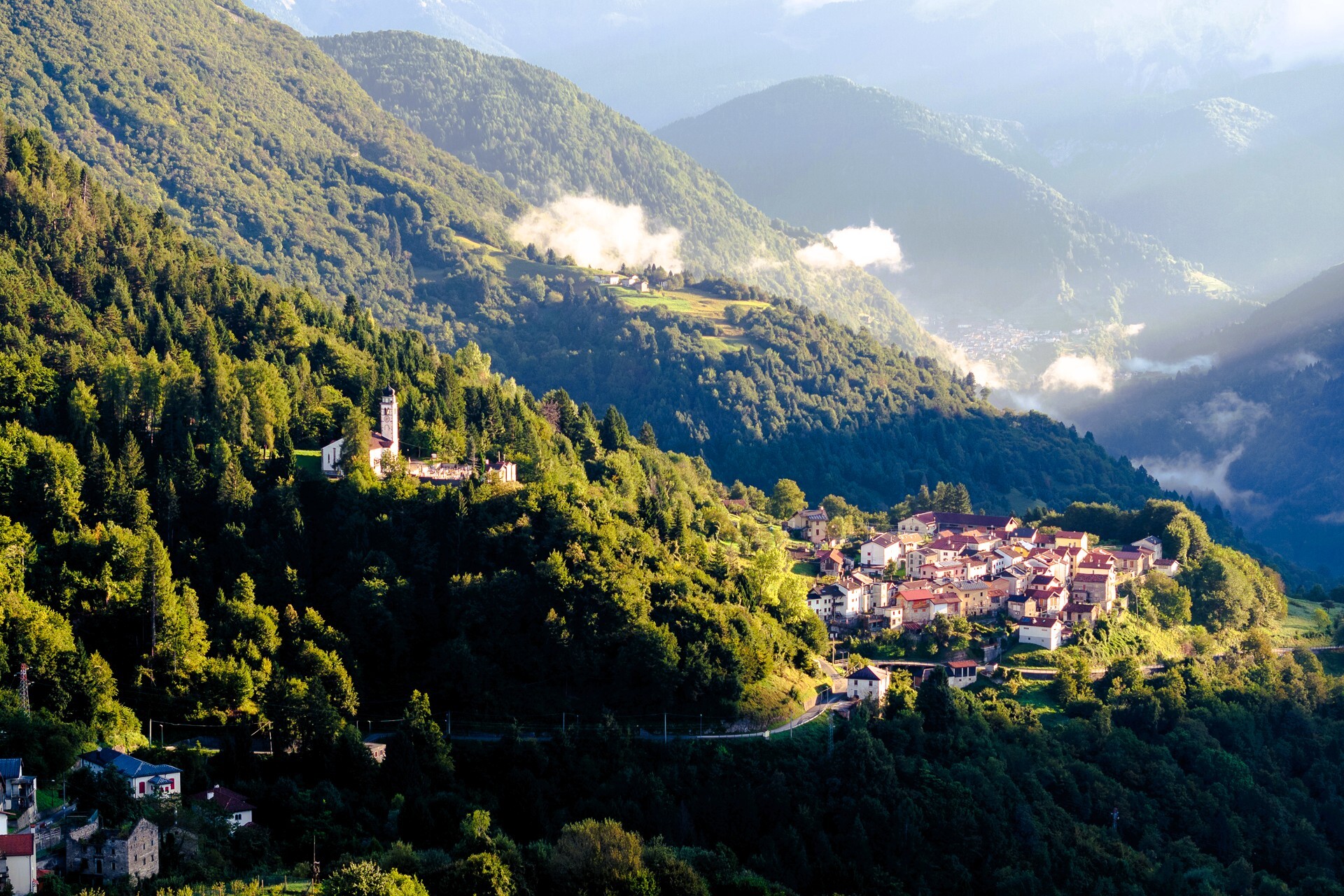
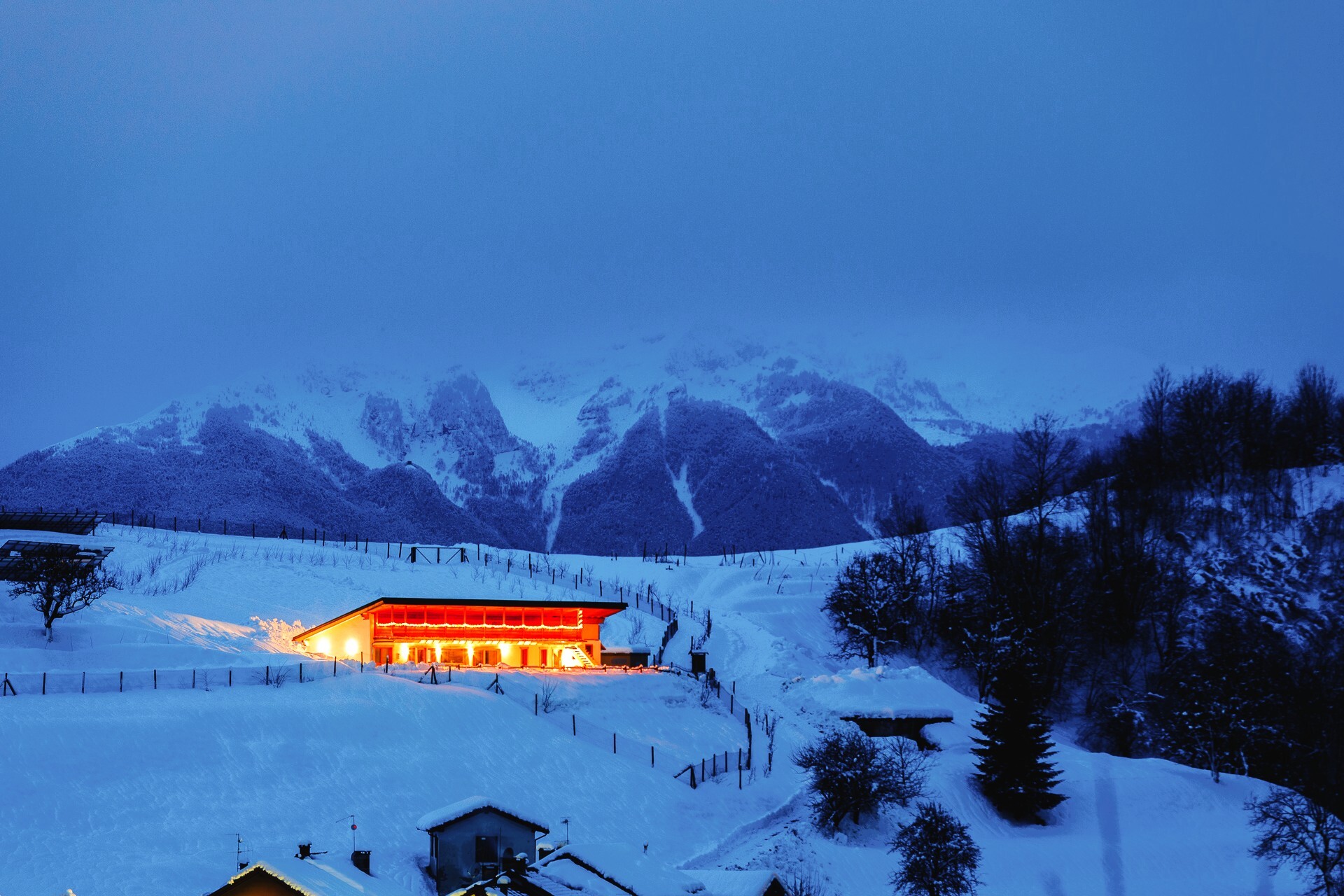
Valle and Rivalpo are two small villages nestled on the slopes of Mount Tersadia, deeply connected to mountain life and the tradition of making cjarsons, the traditional stuffed pasta prepared for the great summer festival. Below the plateau of Valle, on a sunny hill overlooking the Chiarsò, lies Rosa dei Venti: a small hamlet with a long history of travellers and hospitality.
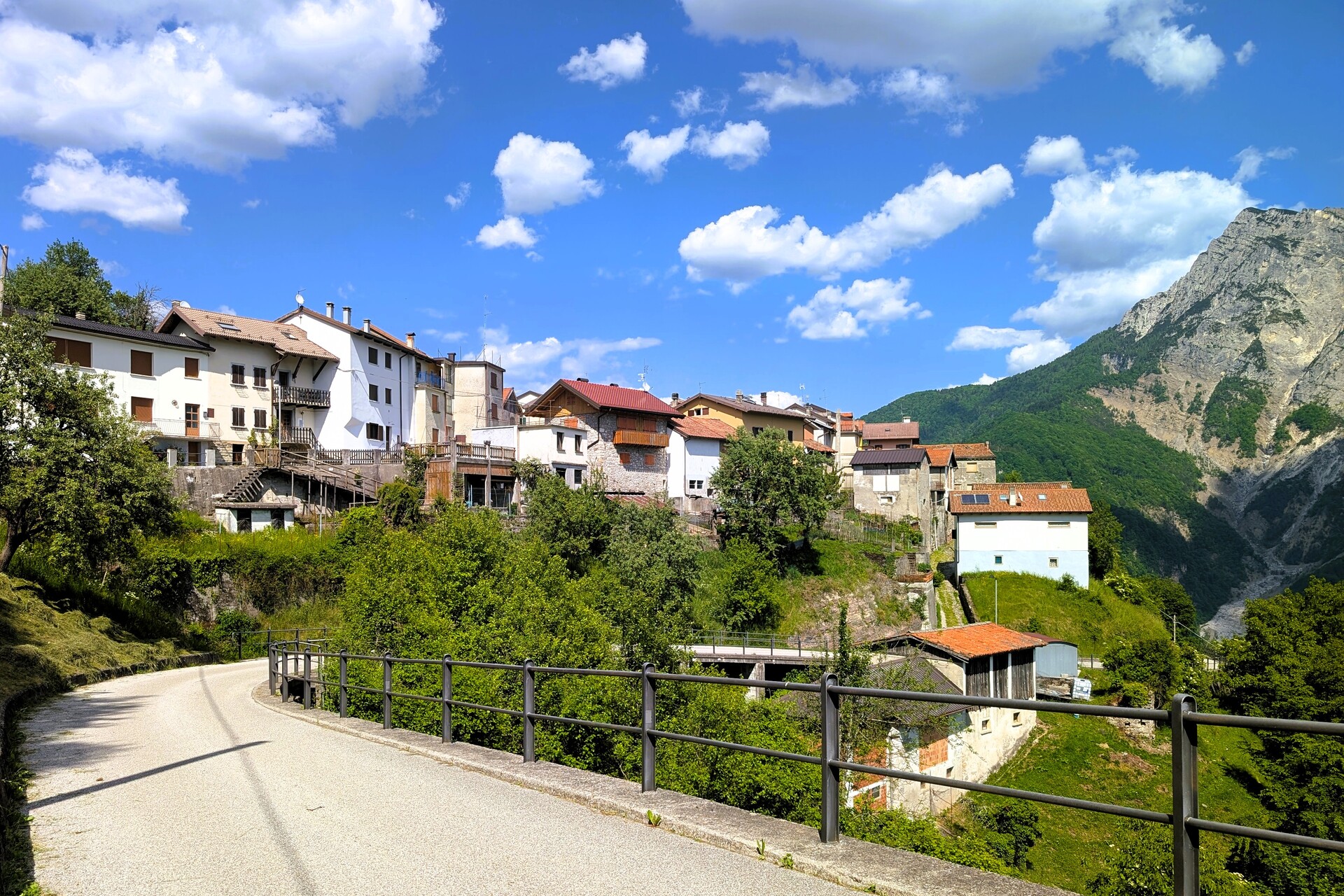
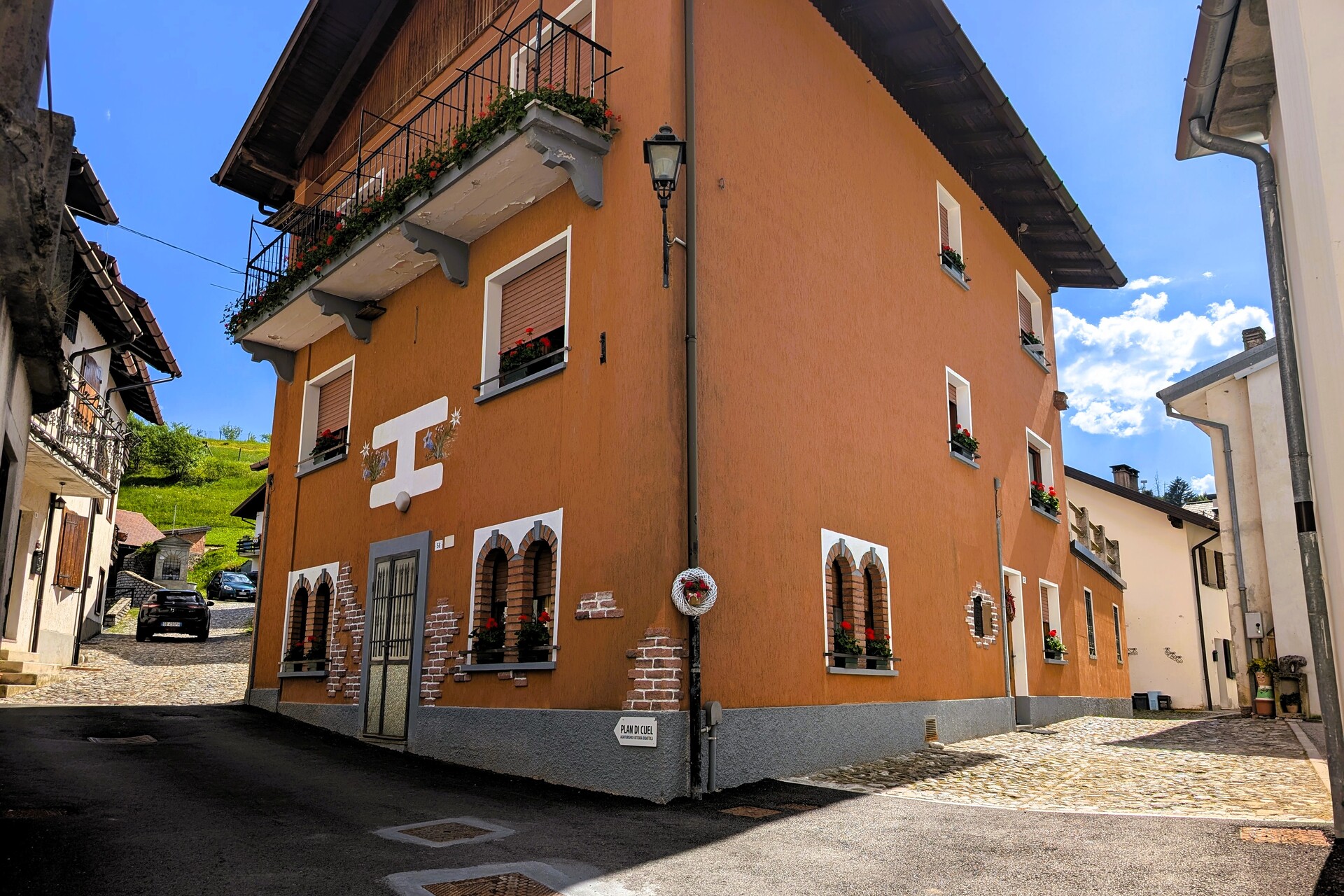
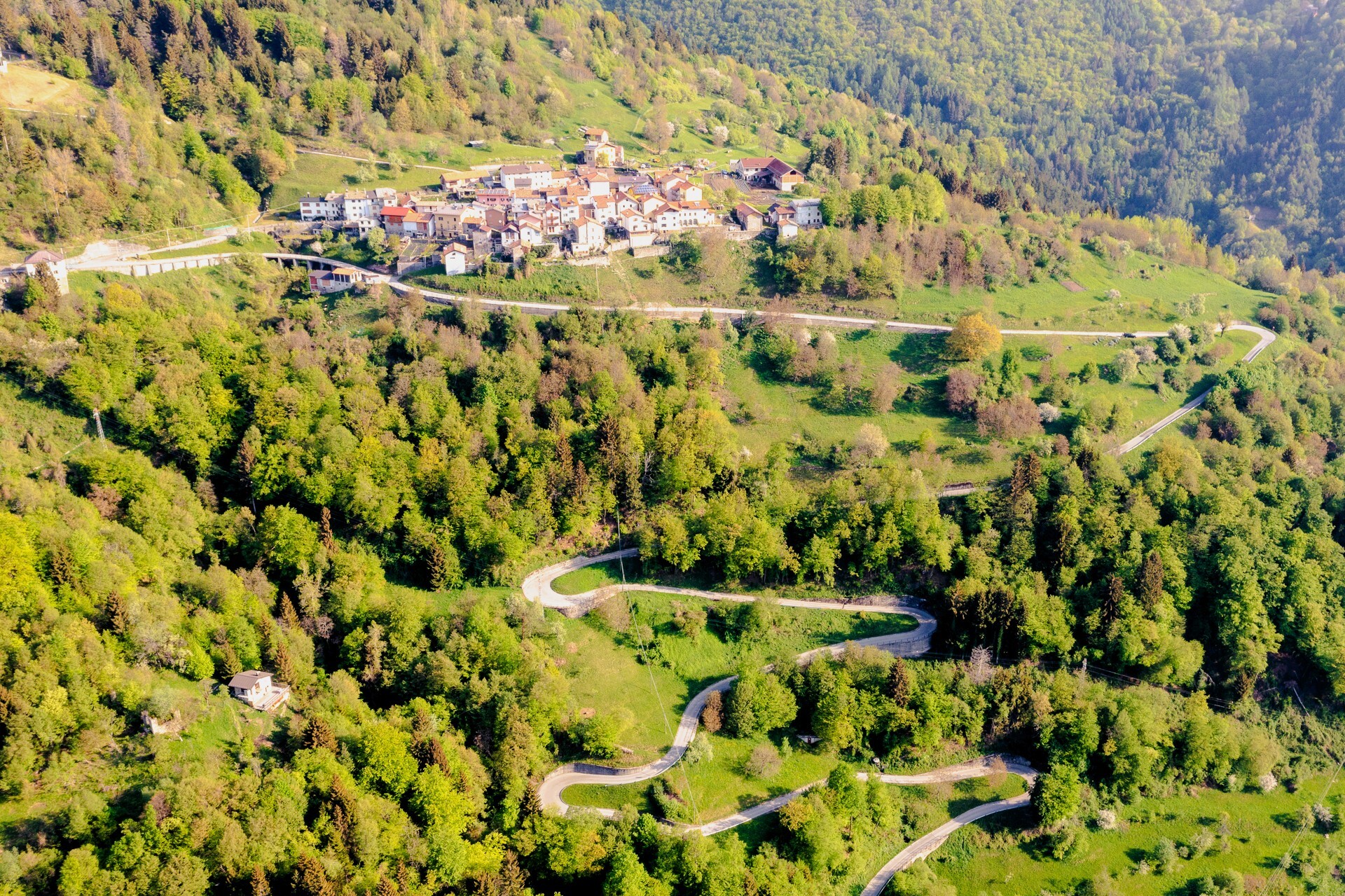
Valle and Rivalpo lie at an altitude of around 800 metres, in a secluded position above the valley floor. Routes towards Mount Tersadia and Malga Valmedan start here, while the houses still retain the character of traditional mountain villages.
Their history is marked by a curious rivalry between the two communities, which for a long time maintained very distinct customs and identities. Today, the two villages are brought together above all by their festivals, cuisine and close-knit community life.
Rosa dei Venti lies below the plateau of Valle, overlooking the Chiarsò. The hamlet has ancient roots: a date from the 17th century could once be seen carved into the doorframe of an old stavolo. The few people who still live here keep their connection with this place and its history alive.


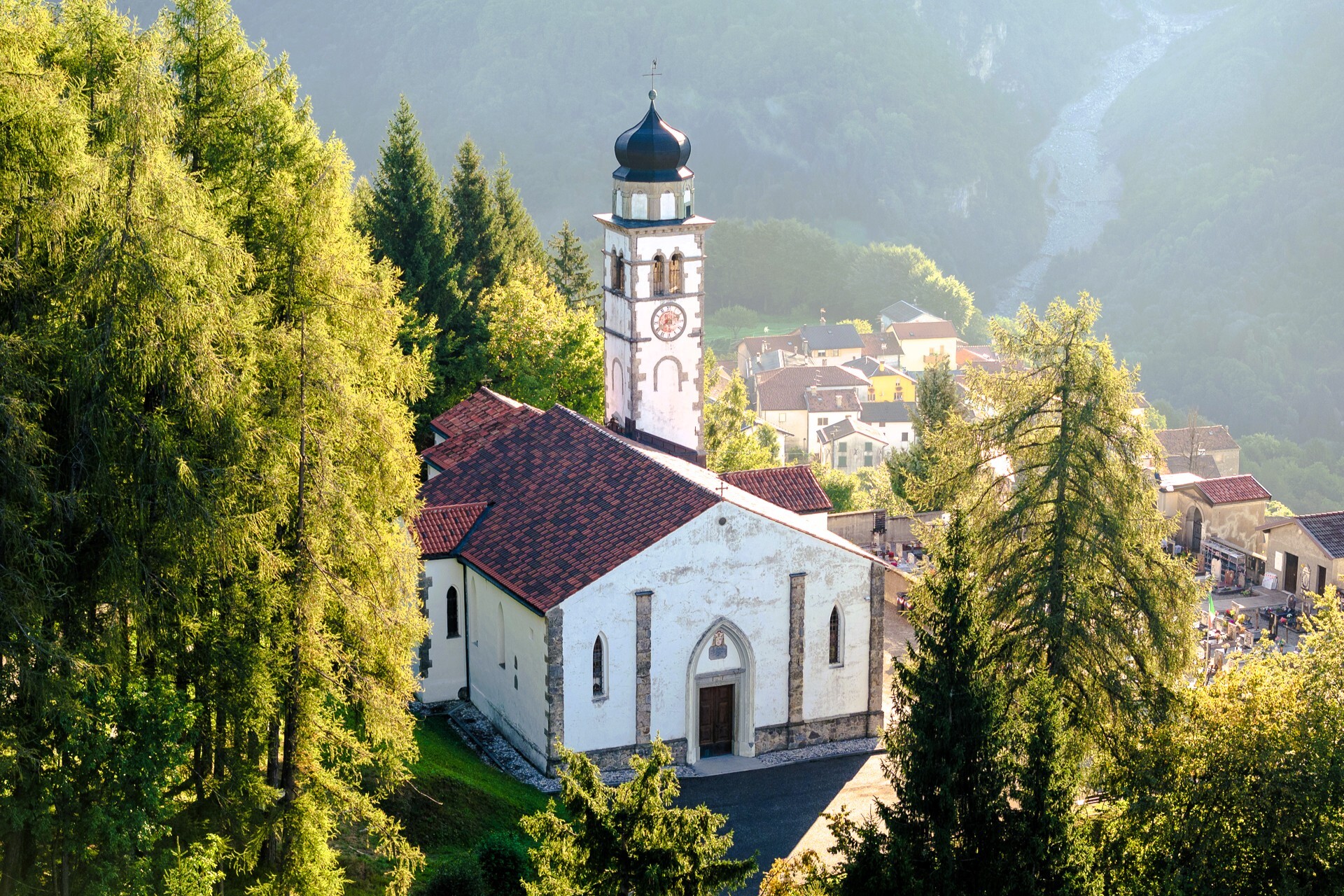
To prevent disputes between Valle and Rivalpo, the Church of San Martino Vescovo has two entrances, one for each village. Even the pews inside were divided between the two communities.
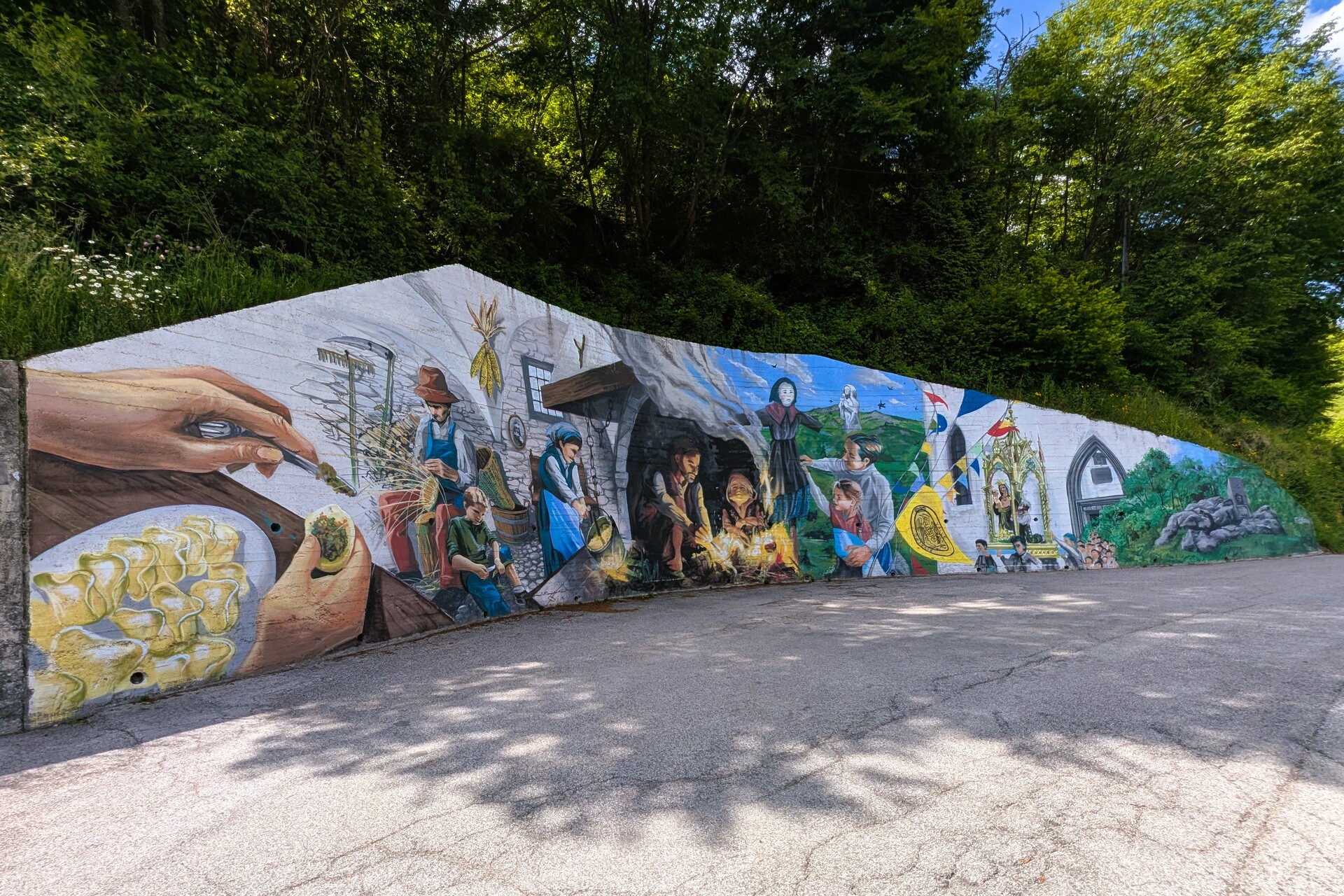
The Cjarsons Festival
This festival is one of the most important events of the local summer. Preparations bring the community together in the days leading up to the celebration, and large quantities of cjarsons are made according to the area's traditional recipe. One account recalls that almost 10,000 cjarsons were prepared for a single edition of the festival.
Towards Mount Tersadia
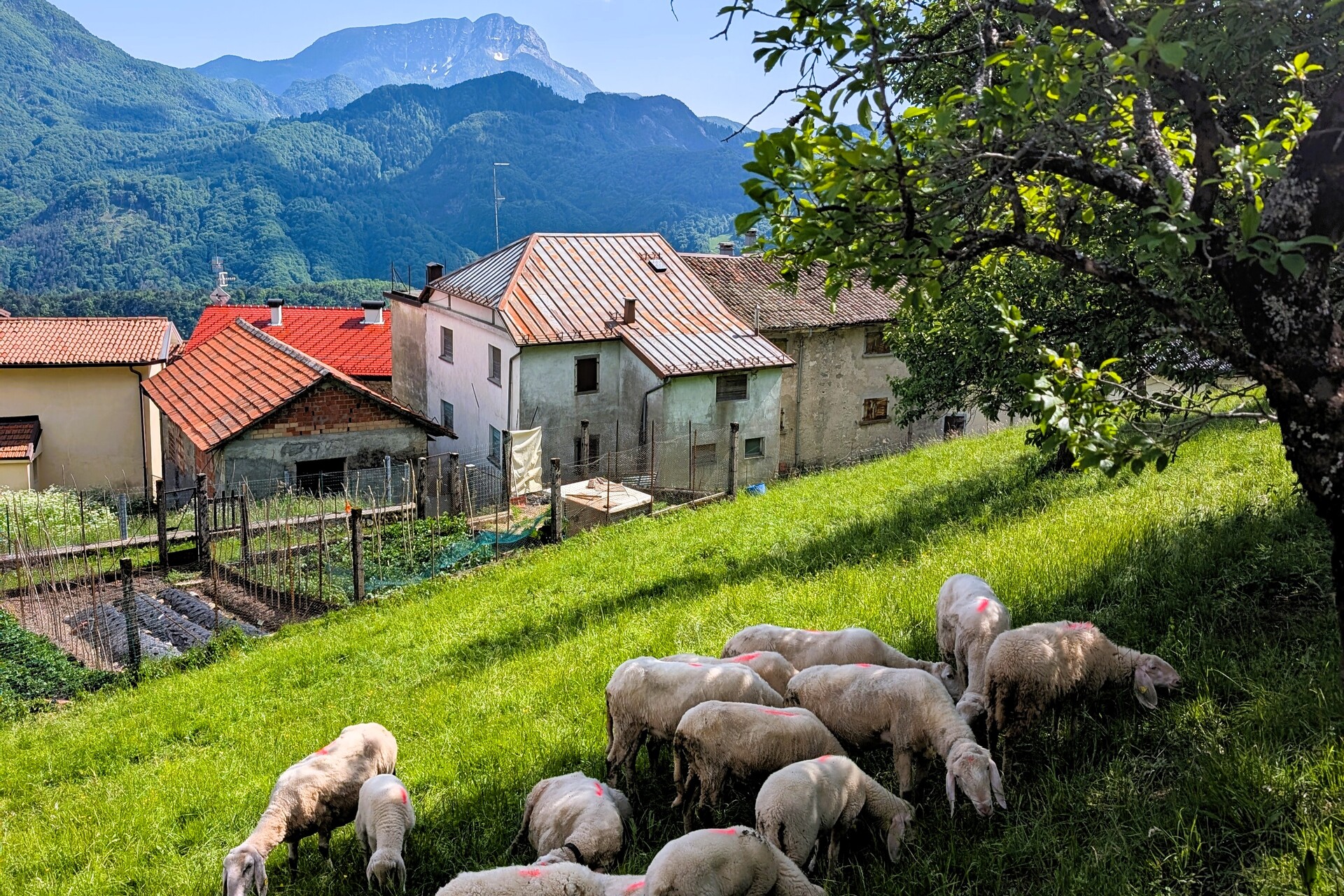
Rivalpo is one of the starting points for reaching Mount Tersadia, which rises to over 1,900 metres. Further down, Malga Valmedan is a destination closely linked to the tradition of summer mountain grazing and the seasonal life of the mountains.
A History Rooted in the Past
The place name Rivalpo is linked to the Rio Poi, which rises on the slopes of Mount Cucco. The area also preserves traces of historic stavoli and rural settlements connected with the management of pastures and woodland.
Rosa dei Venti: A History of Travellers and Hospitality
When the main road through the Incarojo Valley passed this way, Rosa dei Venti was a stopping point for cart drivers, coach services and travellers. The inn of the same name offered refreshments to those making their way through the valley and was an important part of village life. This history of passing travellers also has a sporting chapter: Rosa dei Venti has served as an official passage point for important stages of the Giro d'Italia.