Piano d'Arta and Avosacco lie just above the valley floor and preserve some of the area's most distinctive stories and landscapes: ancient churches, traditions that are still alive today, the Lander rock formations, mountain streams and a rich heritage shaped by life in the mountains.
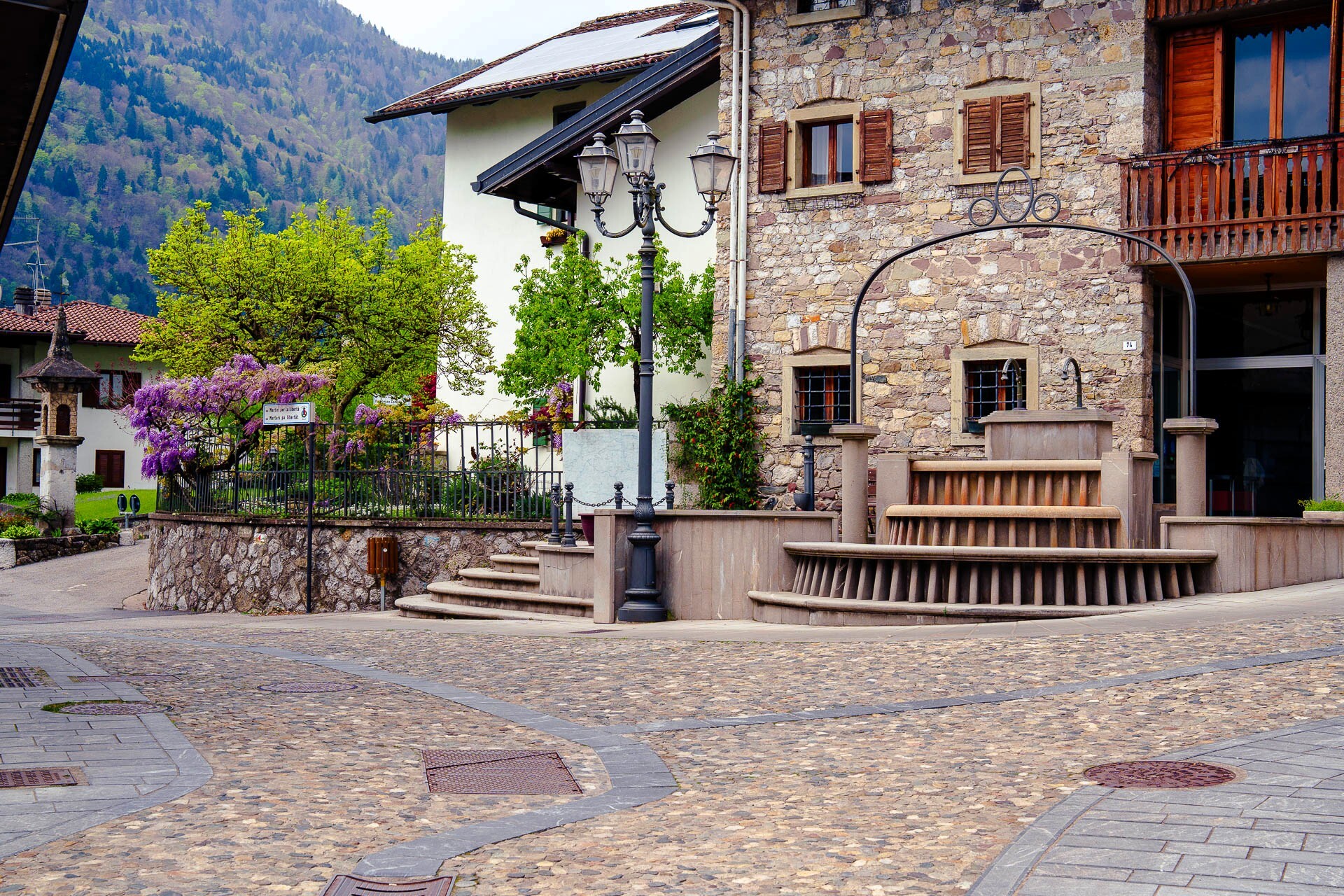
At around 560 metres above sea level, Piano d'Arta is the largest of the hamlets belonging to the municipality of Arta Terme and is home to a particularly rich collection of historical landmarks. The village is crossed by ancient paths that once connected its houses and hamlets, while a little further uphill lie the woods and slopes of the Lander.
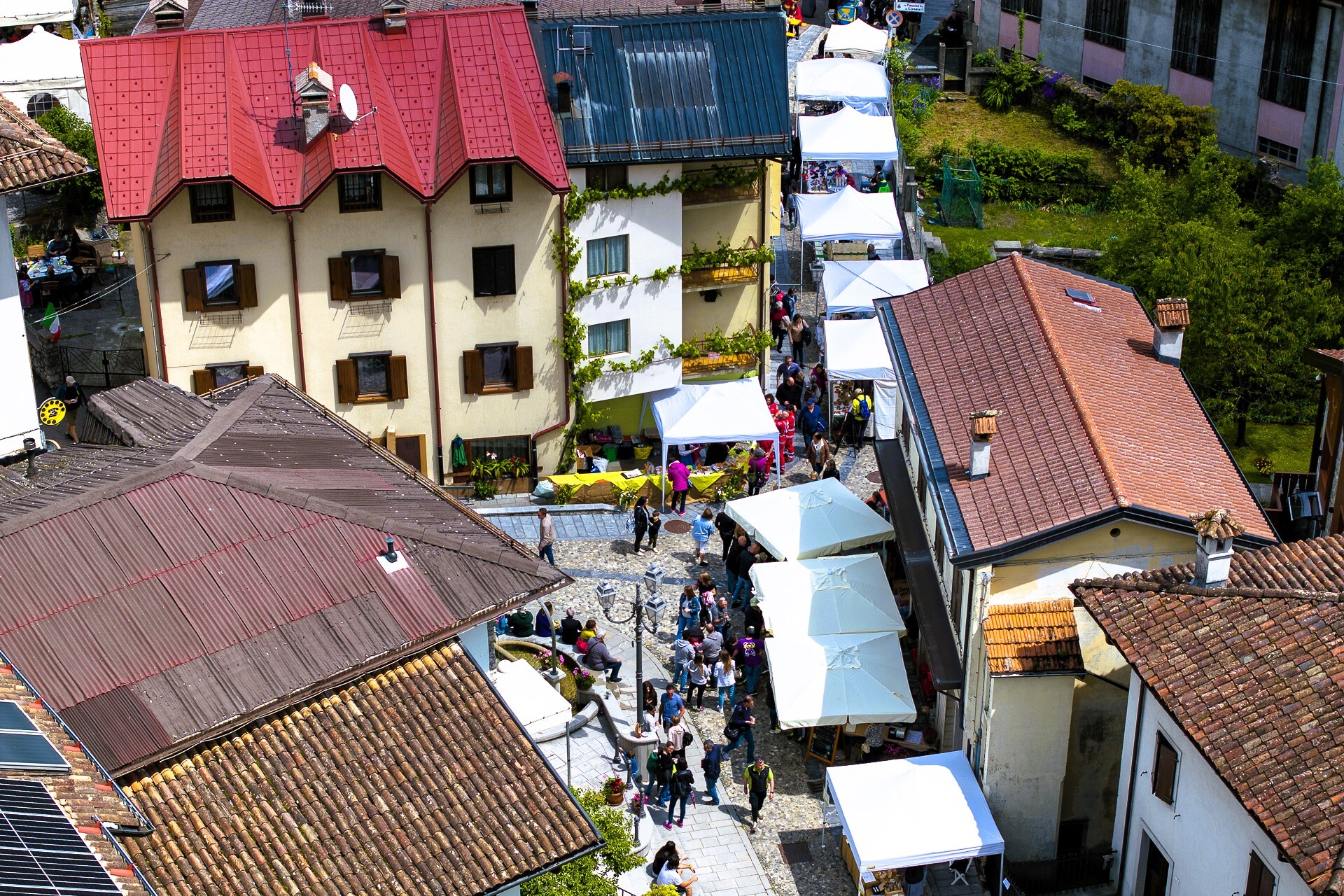
Avosacco lies further down, along the slope leading towards Cabia. It is a small village where everyday life and the natural surroundings remain closely intertwined. The two villages share festivals, walking routes and traditions that continue to bring the local community together.


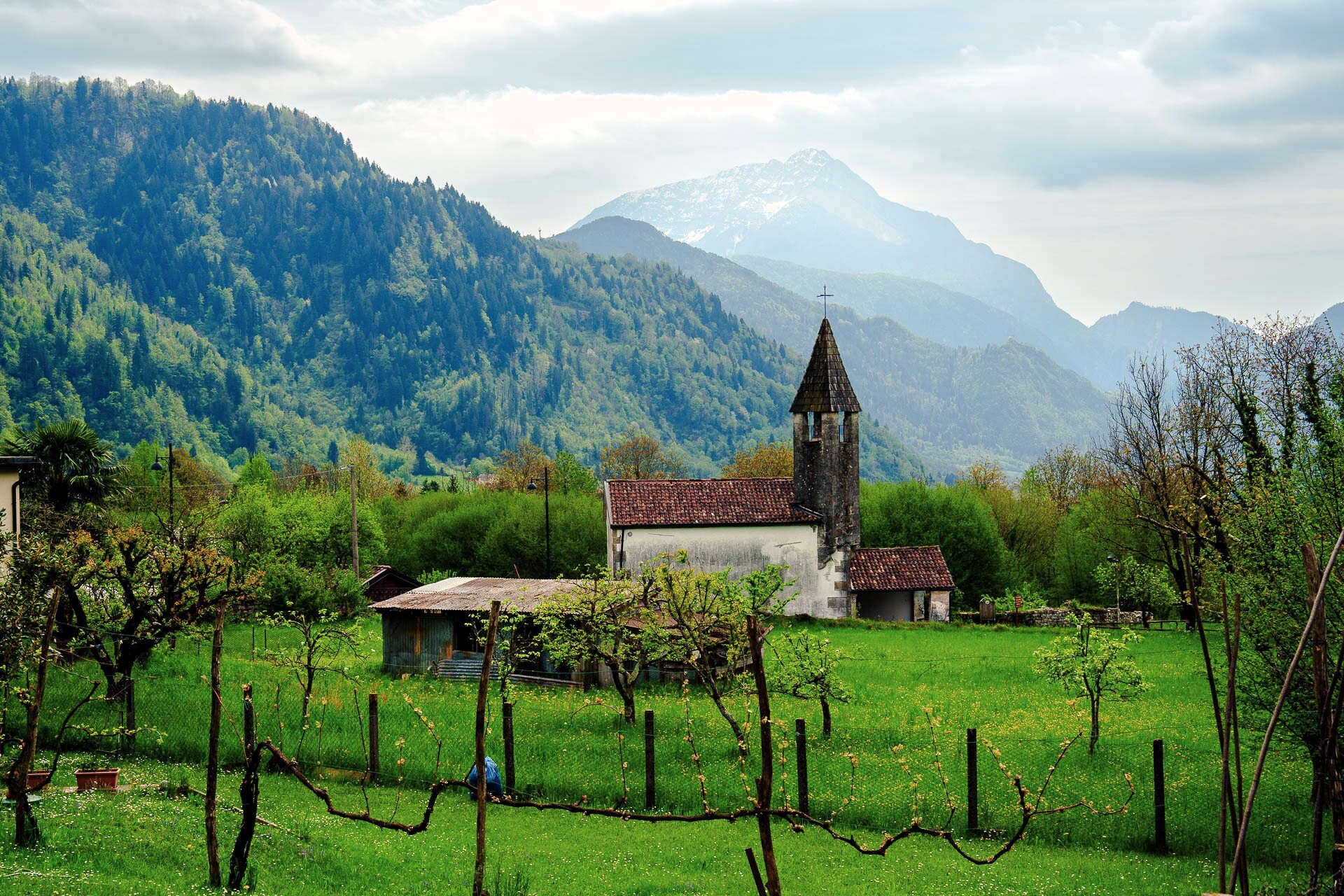
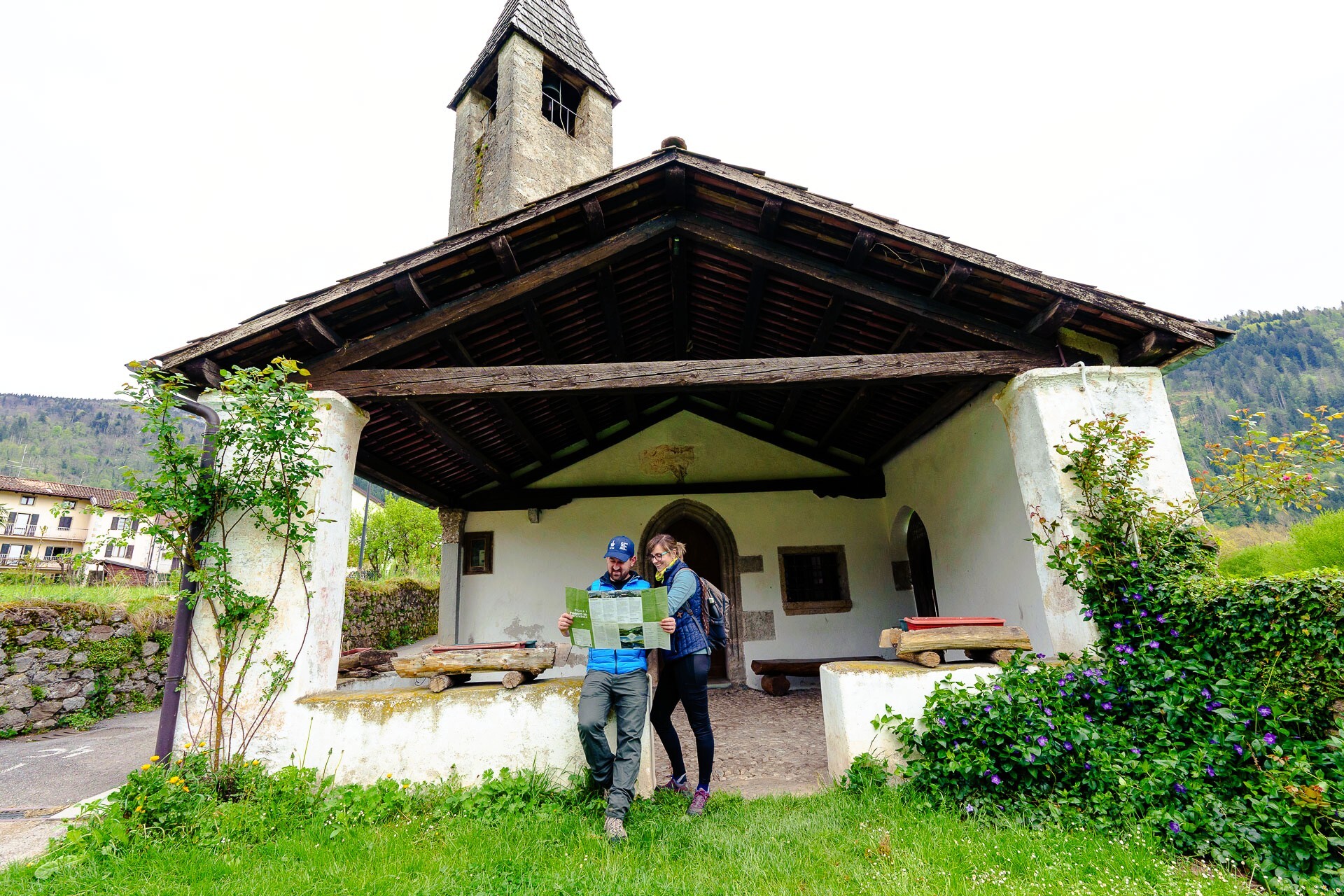
In the small Church of the Holy Spirit, a 15th-century fresco depicting the Three Wise Men still inspires the costumes worn during the traditional Epiphany celebration.
The Lander and Its Rock Spires
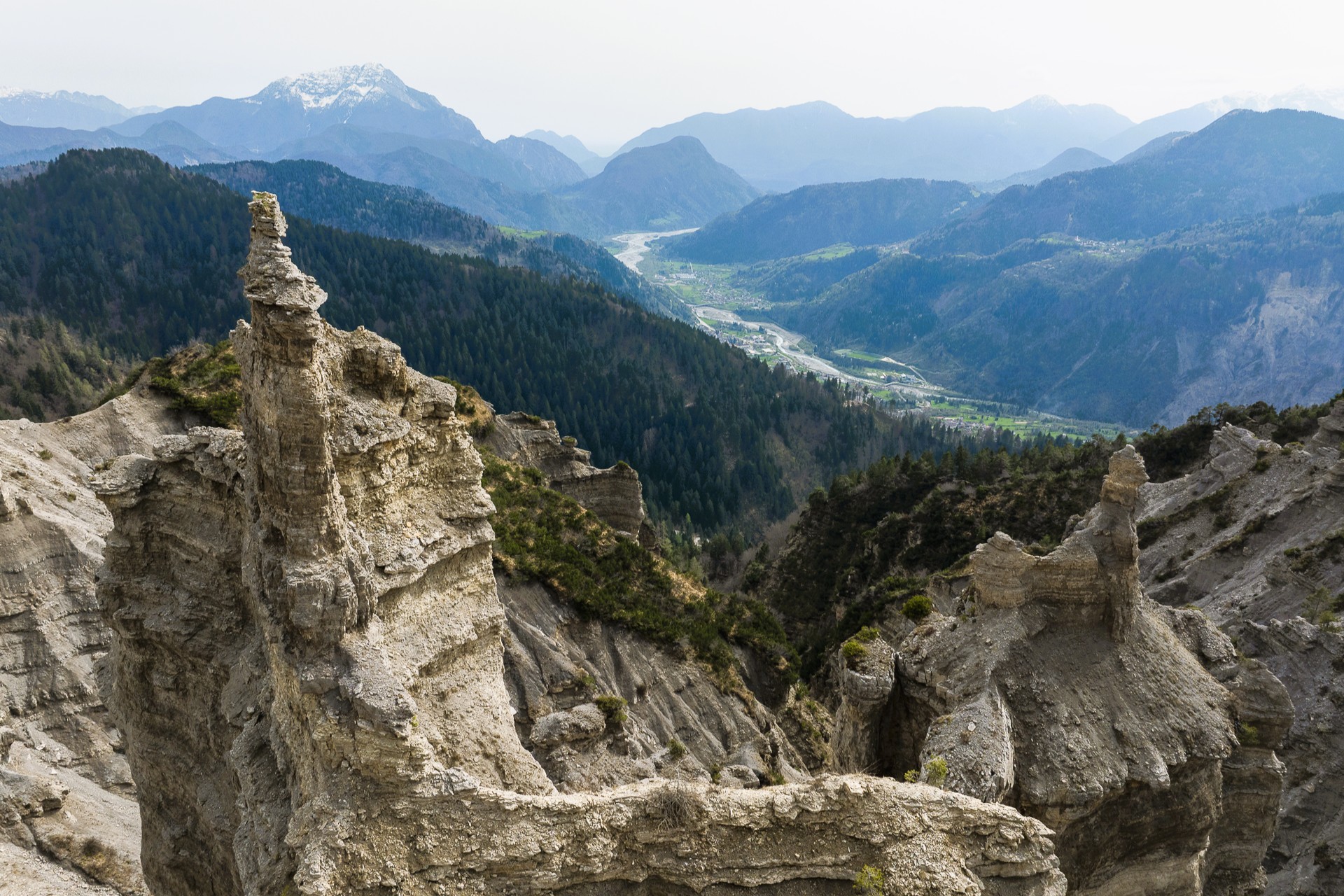
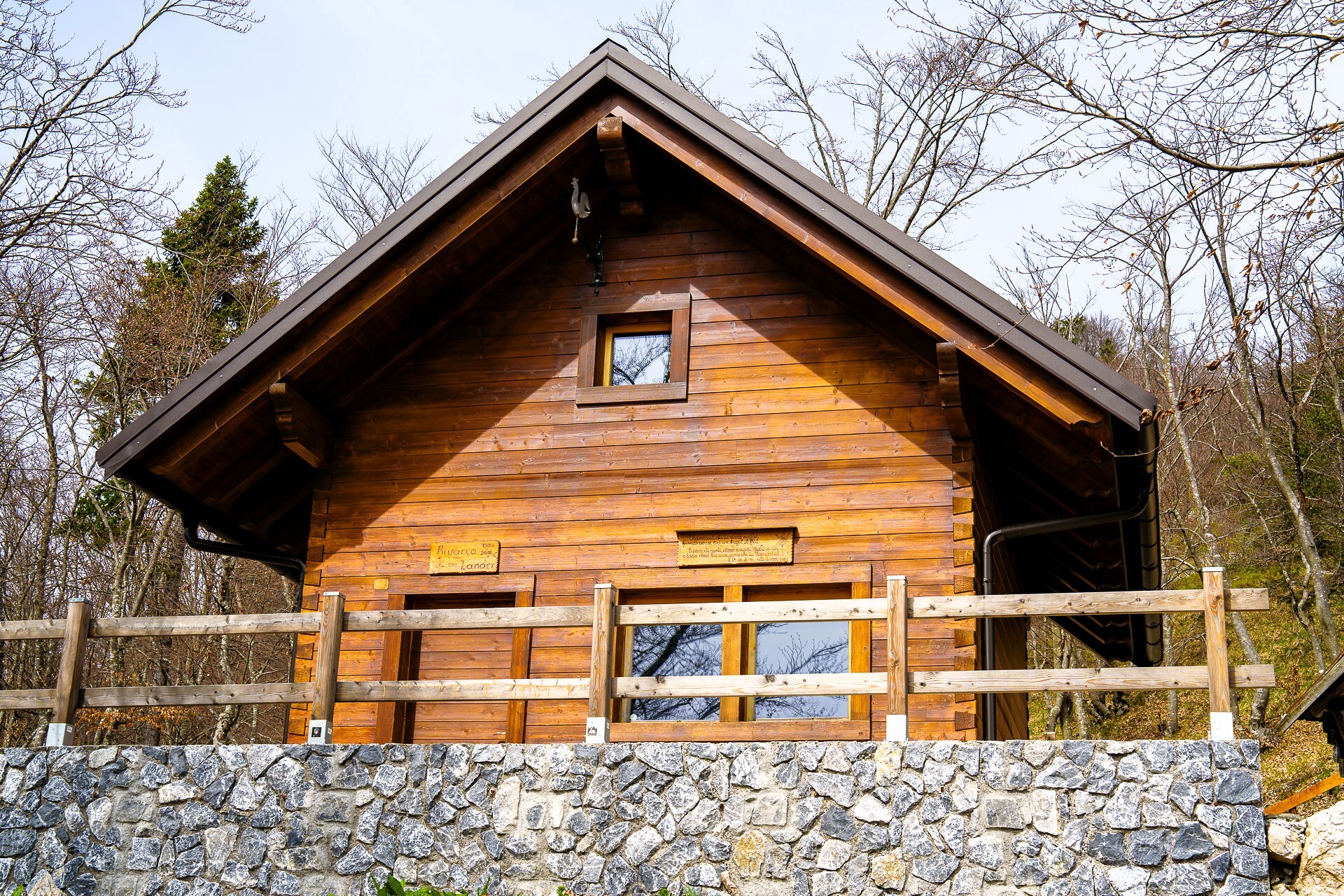
Above Piano d'Arta stand the Lander rock spires, unusual formations created by erosion following a major landslide that affected the mountainside around 10,000 years ago. The CAI 408 trail leads towards the geological site and the Lander mountain shelter.
The Permanent Fossil Exhibition
Piano d'Arta is home to the exhibition Fossils and Man, which originated from the collection of palaeontologist Enrico Campibelli. The specimens, originating from our local area as well as from America and Africa, tell the geological story of the surrounding mountains, dating back to a time when Carnia was still covered by a tropical sea.
Churches and Local Heritage
Two places well worth visiting are the small Church of the Holy Spirit in Chiusini and the Church of San Nicolò degli Alzeri. The Church of the Holy Spirit preserves a 15th-century fresco of the Adoration of the Magi, rediscovered in 1981 during restoration work. San Nicolò degli Alzeri retains the intimate atmosphere of ancient mountain churches of medieval origin, built to serve communities far from the main village.
The Mountain Streams
The Randice stream rises in the mountain area above Piano d'Arta and flows down towards the valley floor, carving out ravines, small waterfalls and shaded stretches before reaching the Bût. The Radina, through its course, has helped shape the terrain and separate small settlements, meadows and woodland areas. Together, the Randice and Radina streams reflect the character of Carnia's mountain waterways, where water levels can rise and fall rapidly with rainfall, continually shaping the landscape.