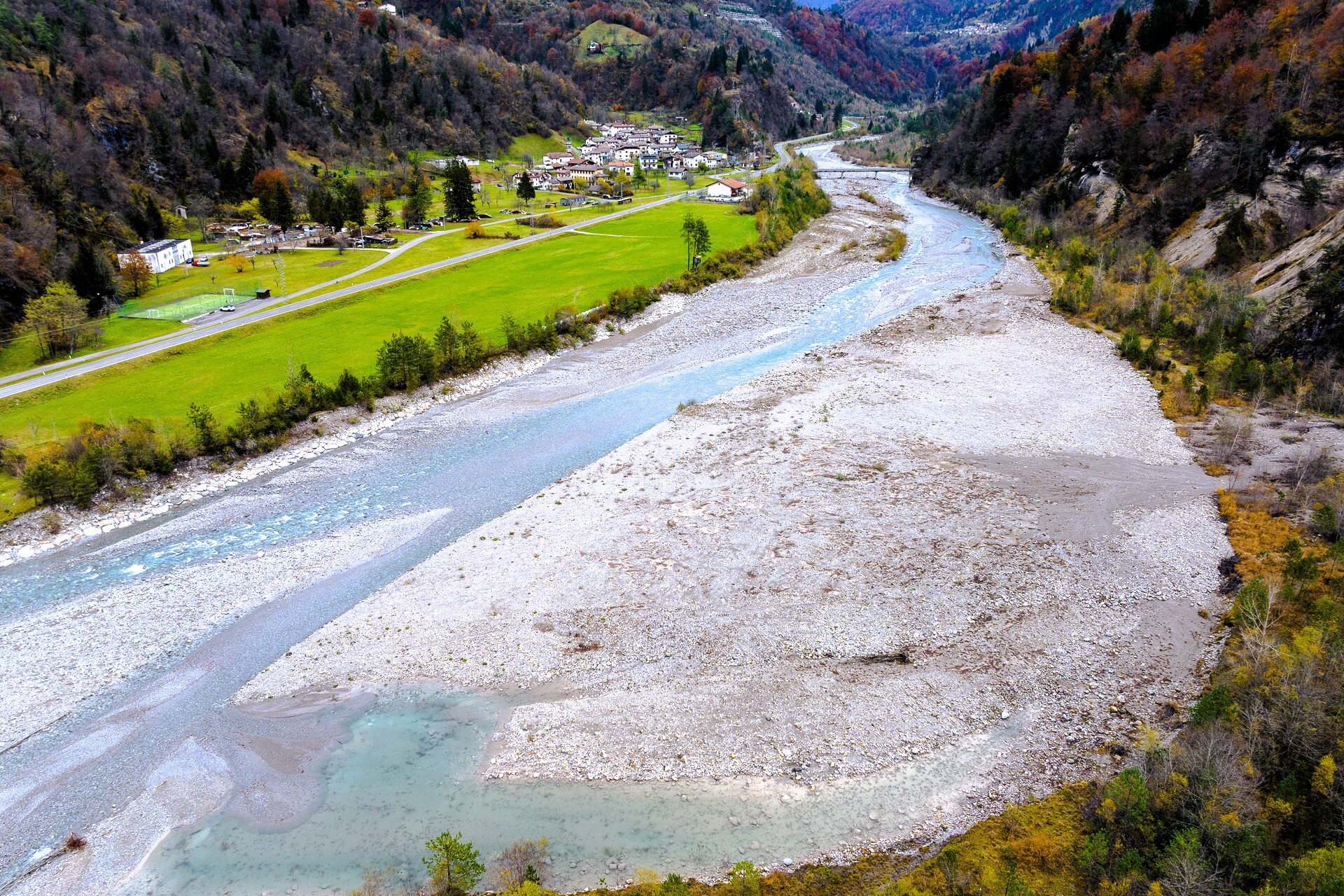
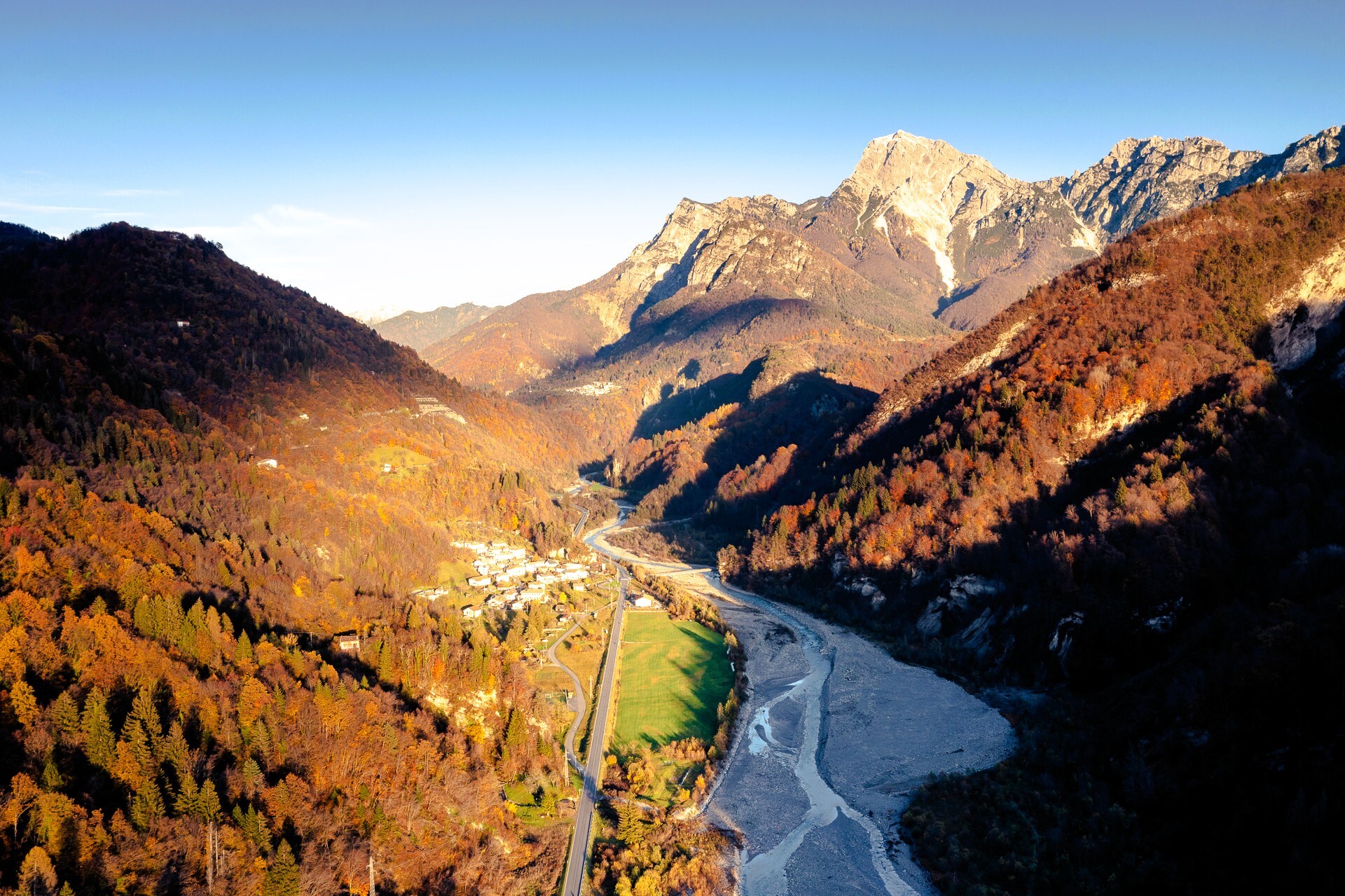
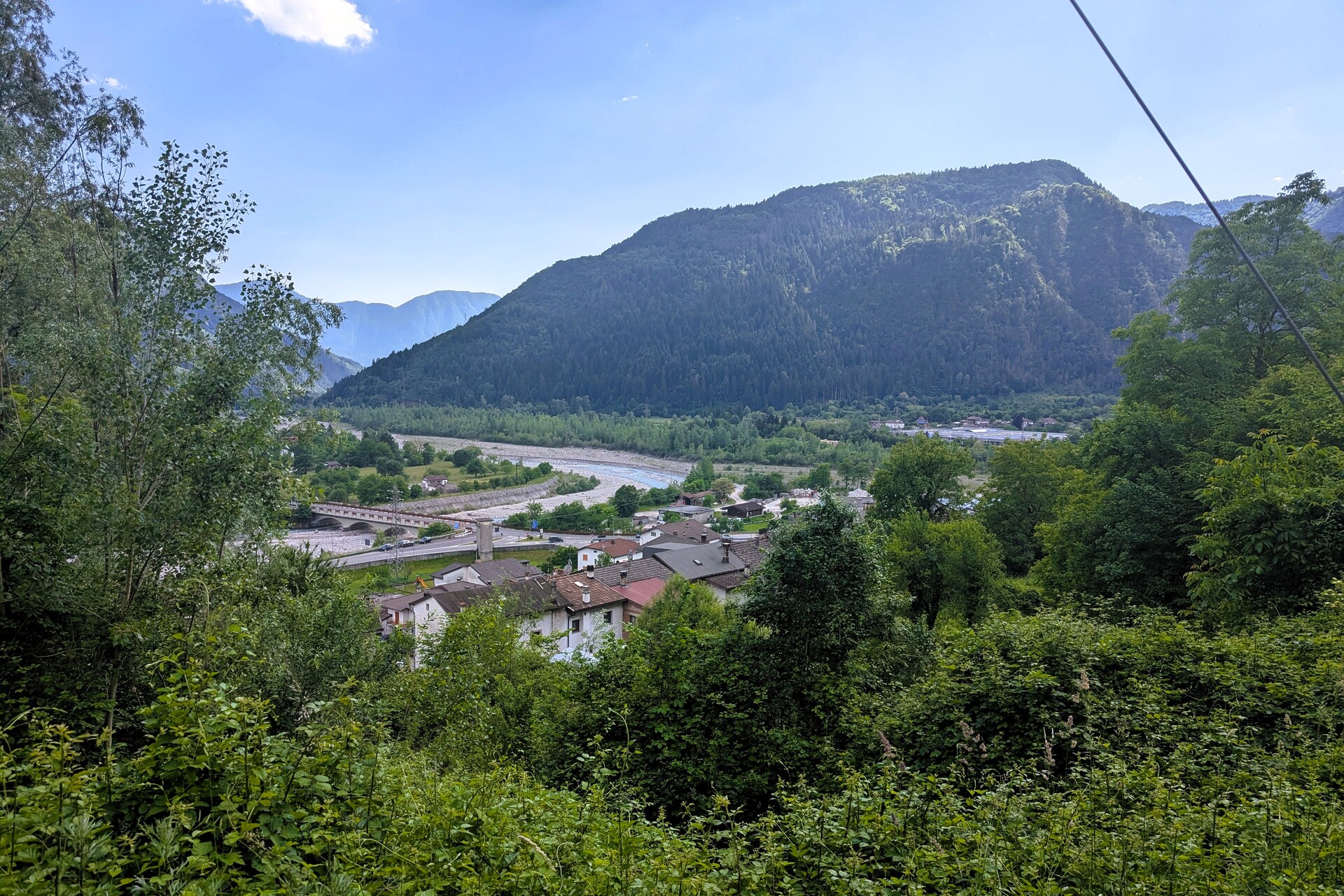
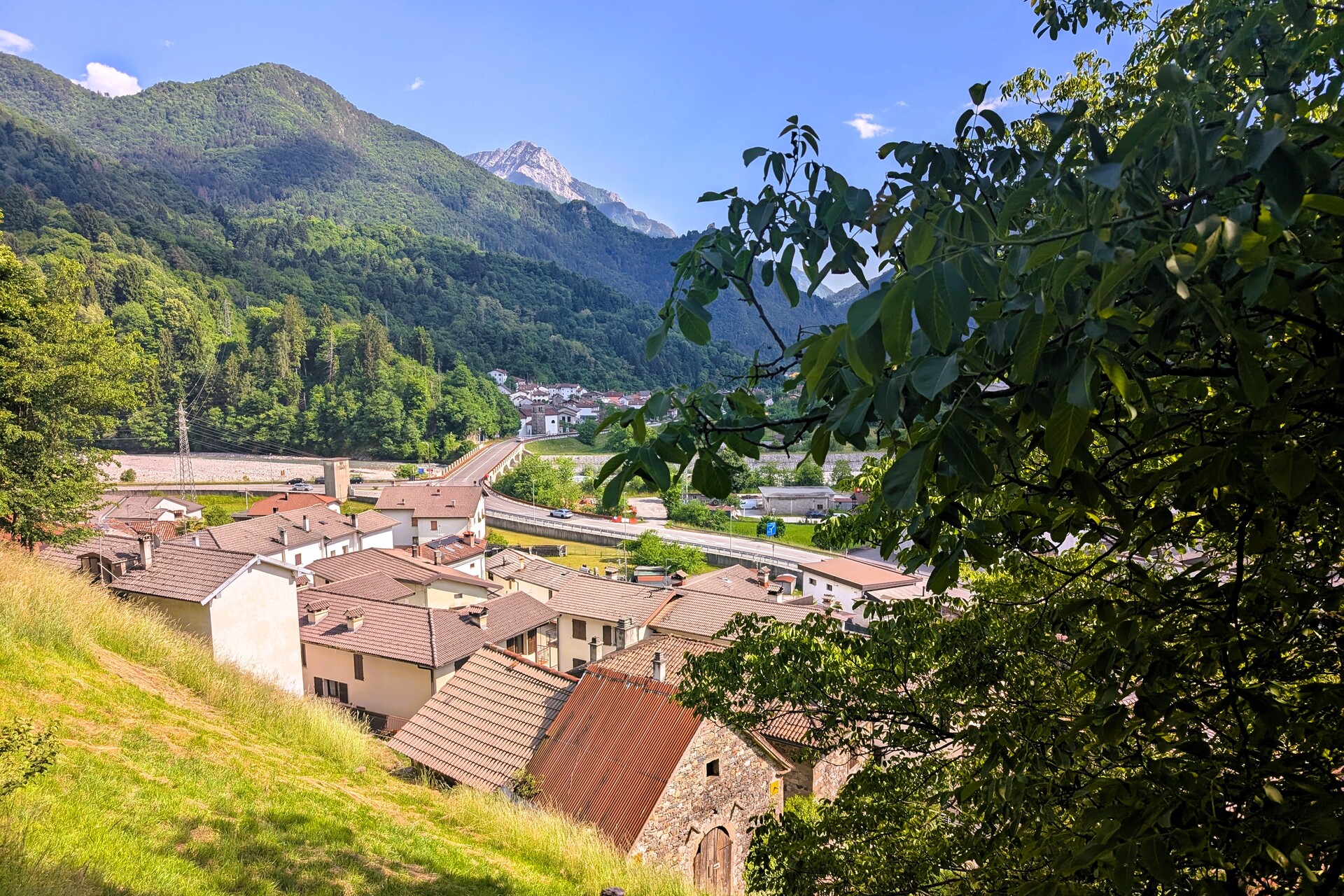
Piedim and Cedarchis lie on the valley floor, near the confluence of the Bût and Chiarsò rivers. Water has shaped life in these villages for centuries, powering mills, sawmills and activities connected with timber processing.
Piedim and Cedarchis occupy a strategic position along the Chiarsò Valley. Piedim lies near the confluence of the Rio Poi and the Chiarsò stream, while Cedarchis is further downstream, close to where the Chiarsò meets the Bût.
The presence of these waterways played a vital role in the area's economic history. For centuries, water was used to power mills and machinery for timber processing. Cedarchis was also an important transit and trading point for timber arriving from the surrounding valleys.


In Cedarchis, football is an integral part of community life. The local team, one of the most successful in the Carnic Championship, faces Arta Terme in one of the summer's most eagerly awaited derby matches.
The Mulin di Piedim
One of the hamlet's most interesting landmarks is the old mill with its stone millstone, once powered by the waters of the Rio Poi. Its history is linked to the processing of maize and the production of flour used to make polenta.
A Deep Connection with Water
The Chiarsò, Rio Poi and Bût rivers have shaped the location of the settlements and the area's economic activities. Cedarchis was an important river port, and its sawmills were powered by the abundant water supply and the timber brought down from the surrounding mountains.
Piedim's Cjarsons
Here, too, cjarsons have their own distinctive traditional recipe. The Piedim version features a sweeter filling made with chocolate, walnuts, hazelnuts and other dried fruit, served with melted butter and smoked ricotta cheese.