Before there were hotels, swimming pools and wellness areas, there was a spring. Fonte Pudia gave Arta Terme its thermal heritage and made the village known far beyond Carnia. Today, this story lives on at the Terme di Arta, with treatments, rehabilitation, swimming pools, wellness, beauty and fitness.
Fonte Pudia is a sulphate-calcium-magnesium-sulphurous mineral spring that flows at an almost constant temperature of 9–10°C. Its name comes from the Latin aqua putens (foul-smelling water), referring to the smell of sulphur that characterises the water.
Its origins lie much deeper and higher up than the spring itself might suggest. Rainwater seeps into the mountains, flows through rocks rich in gypsum and minerals and, during its long underground journey, acquires its distinctive chemical properties. It eventually resurfaces on the valley floor through fractures in the rock.
Archaeological finds provide evidence of the use of these waters dating back to Roman times. Modern thermal tourism, however, began in the 19th century: the spring was studied by the medical community of the time, and the first thermal baths opened in 1870, transforming the village’s tourist and economic fortunes.
A natural spring gave Arta Terme its name, its thermal vocation and an important part of its history.


From the first thermal baths to Gino Valle’s building
As thermal tourism grew, Arta became a destination for health treatments and mountain holidays. In the 20th century, this vocation led to the construction of a new complex, designed in the early 1960s by Gino Valle.
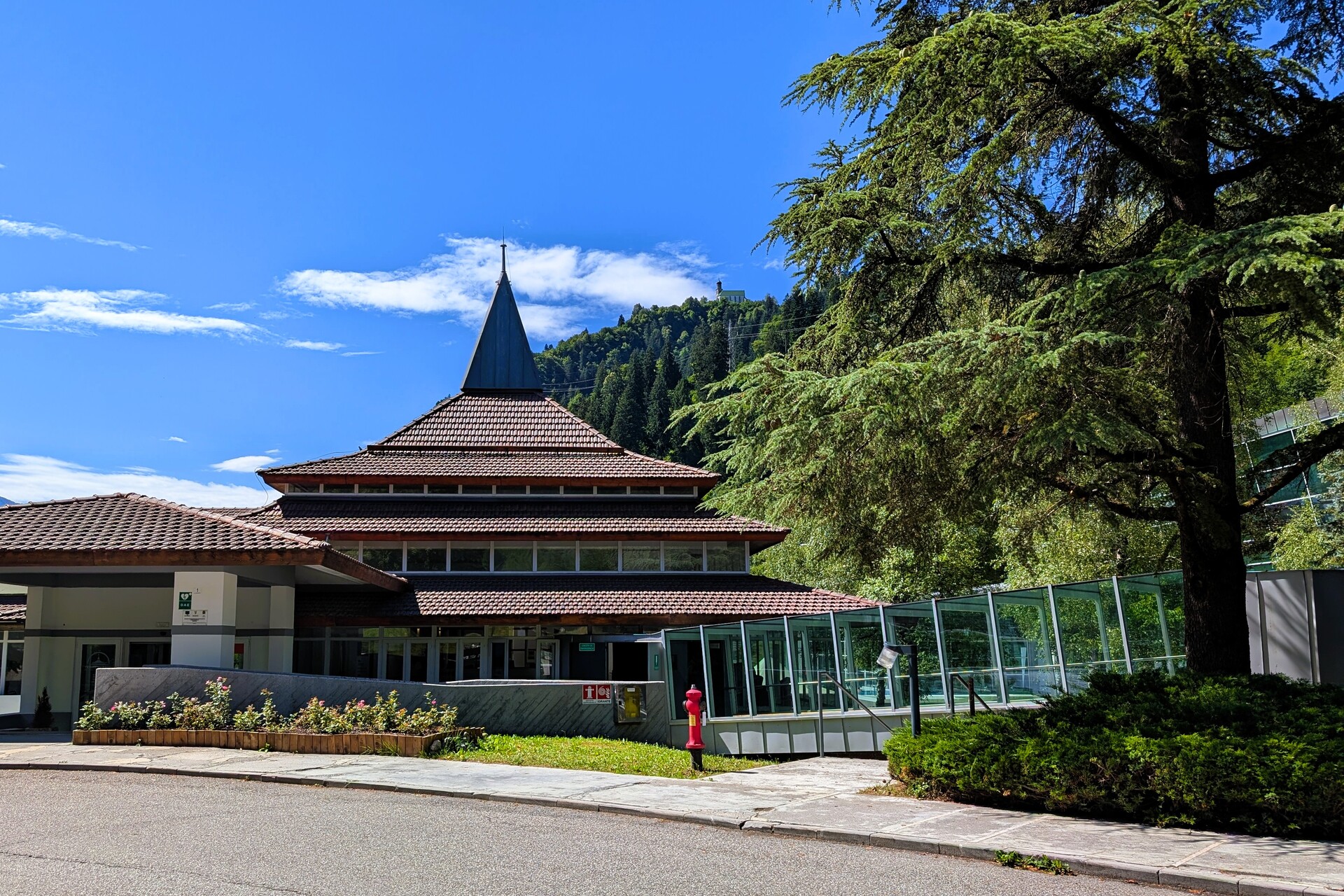
The original building, constructed between 1962 and 1964, remains the historic heart of the thermal baths. Its large Kursaal (treatment hall), with its pointed roof, is its most distinctive feature. Around it, the spaces follow the contours of the valley and open out towards the landscape. The complex is listed by the Italian Ministry of Culture among contemporary Italian buildings of particular interest.
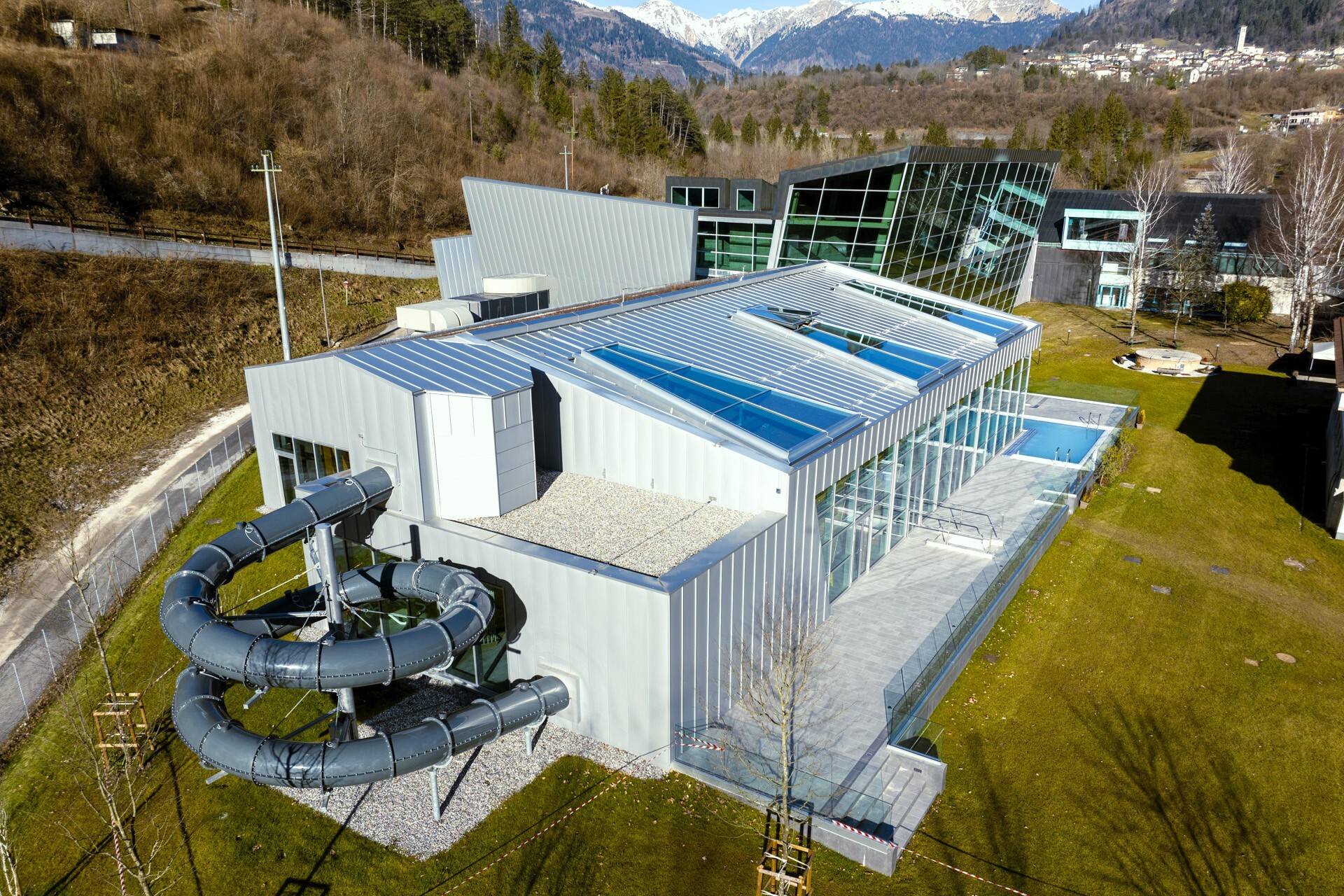
Over the years, the thermal baths have expanded with new buildings and services. Today, four interconnected buildings house thermal treatments, rehabilitation, beauty services, fitness facilities, swimming pools and wellness areas.


Thermal treatments
The water from Fonte Pudia is used for specific thermal treatments. The facility is affiliated with Italy’s National Health Service and has clinics and departments dedicated to mud therapy and balneotherapy, inhalation treatments and physical rehabilitation.
The process begins with a medical assessment, after which the sulphurous water is used according to different indications and treatment protocols. Alongside water and mud therapies, rehabilitation programmes support functional recovery.

Swimming pools and wellness
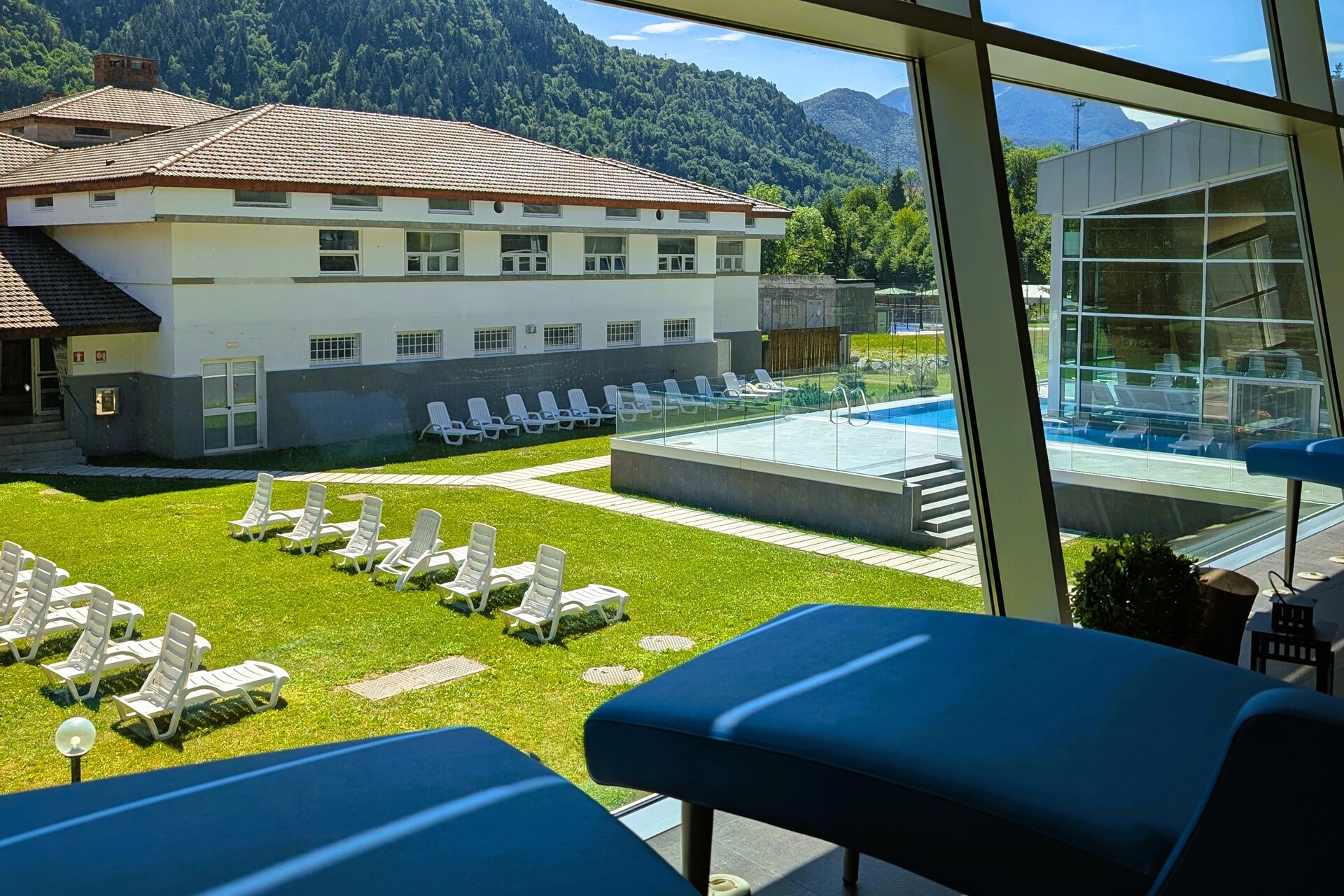
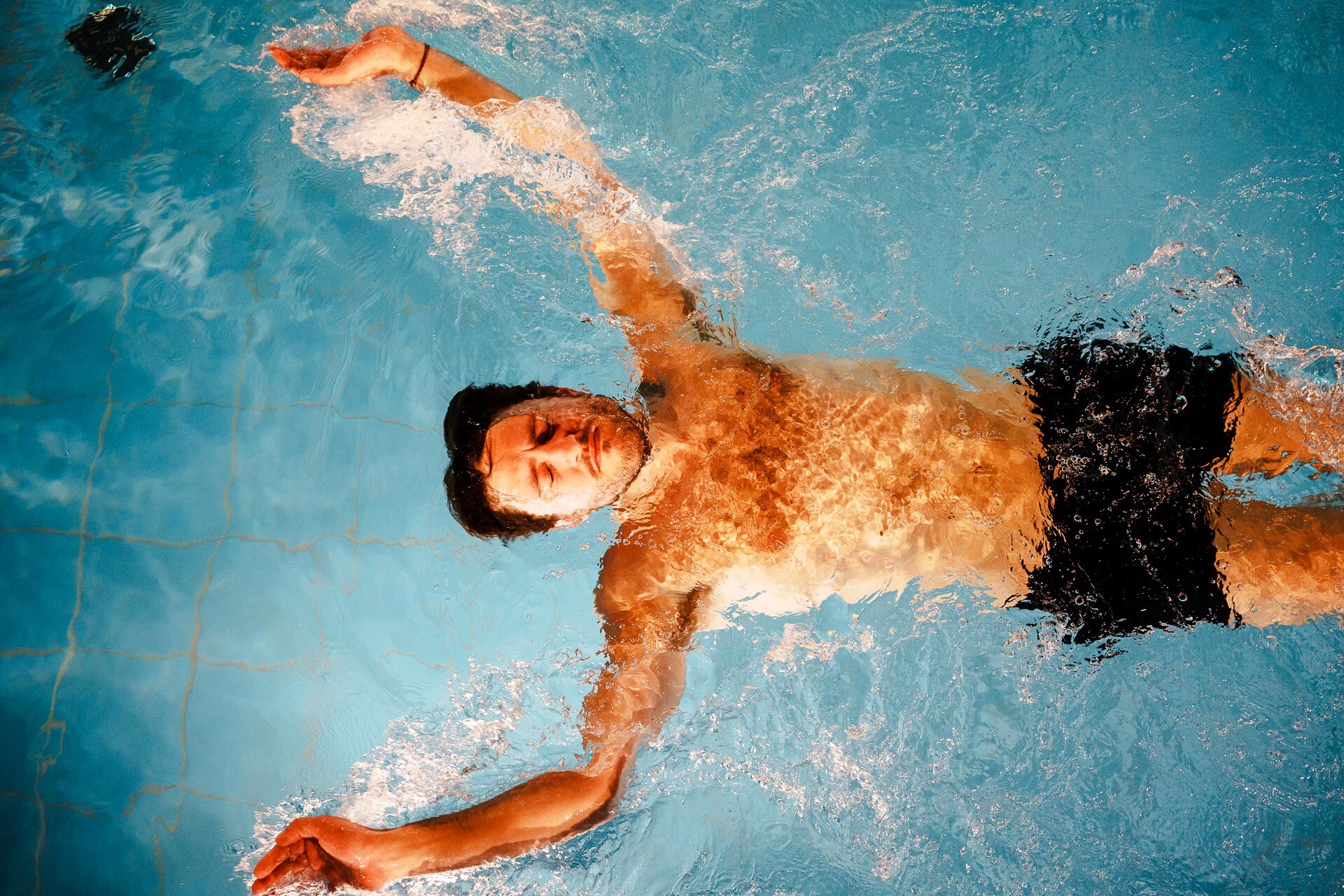
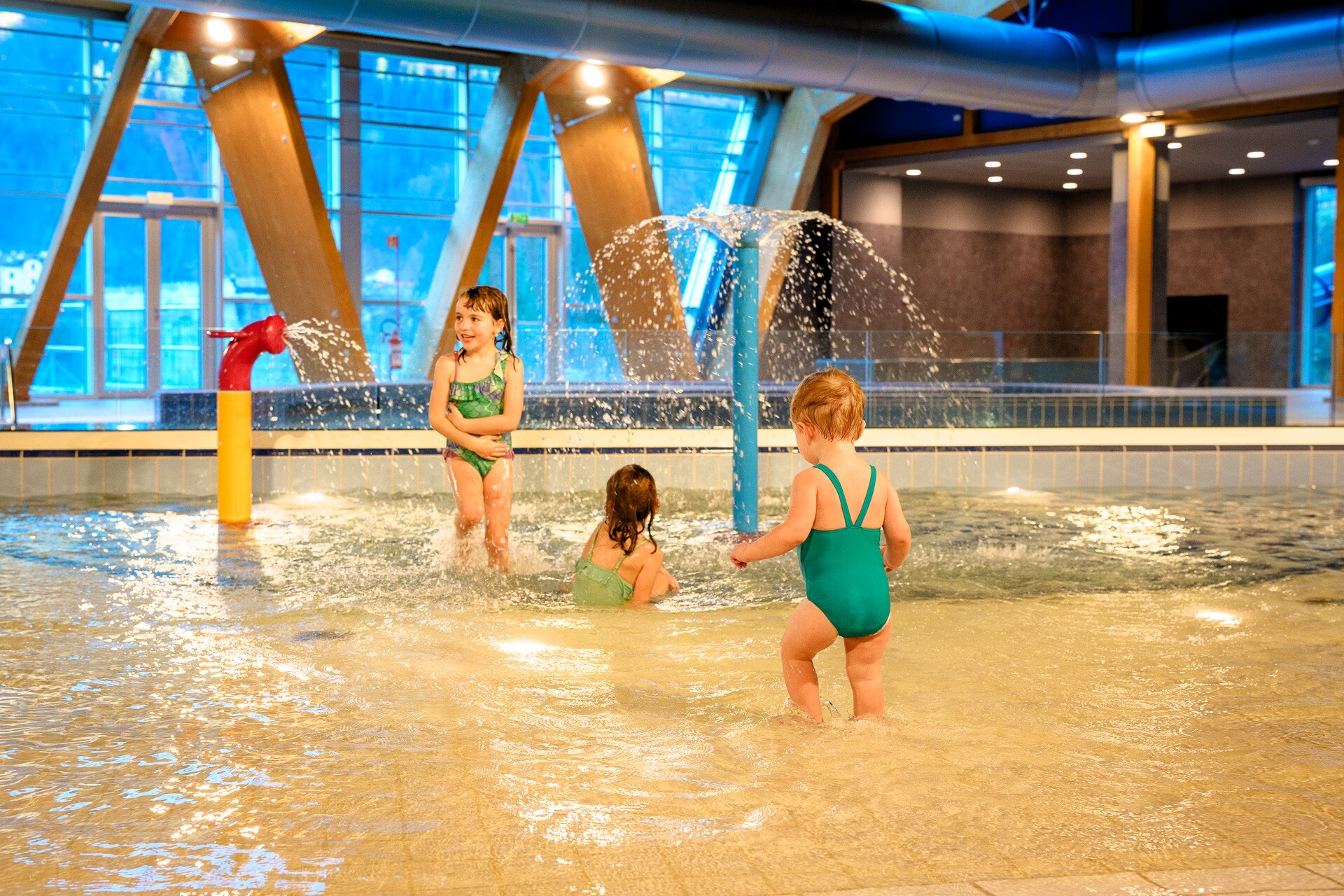
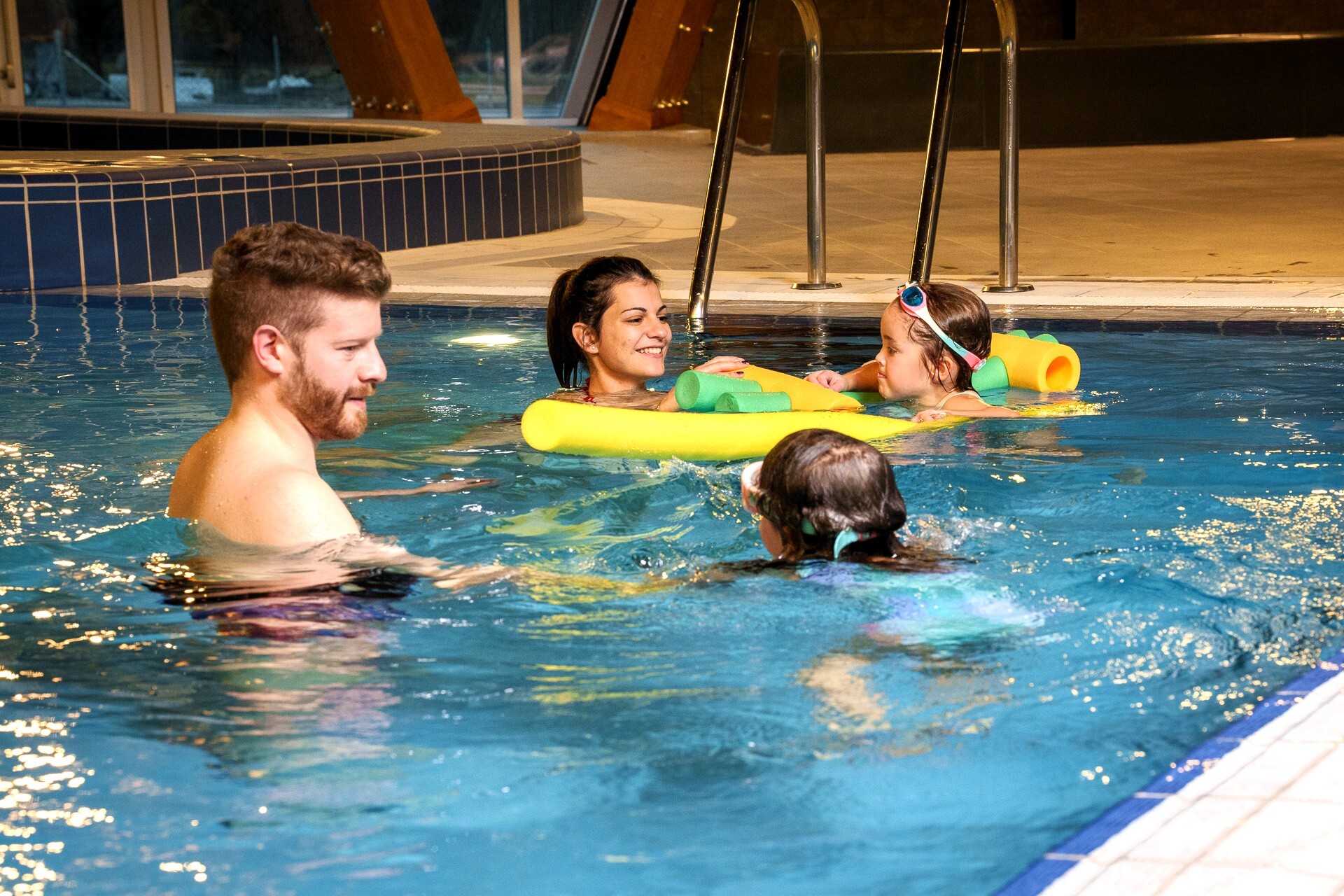
The most recently developed part of the thermal complex also welcomes visitors looking for a few hours of relaxation or a day in the water. The swimming pool area includes a 20-metre indoor leisure pool, a children's area, water features, a whirlpool and a slide approximately 40 metres long. Outside, there is a heated pool with hydromassage.
It is important to distinguish between the two uses of water: the leisure pools are not filled with the thermal water from Fonte Pudia, but with ordinary filtered and treated water. Thermal water is reserved for treatments and therapies.
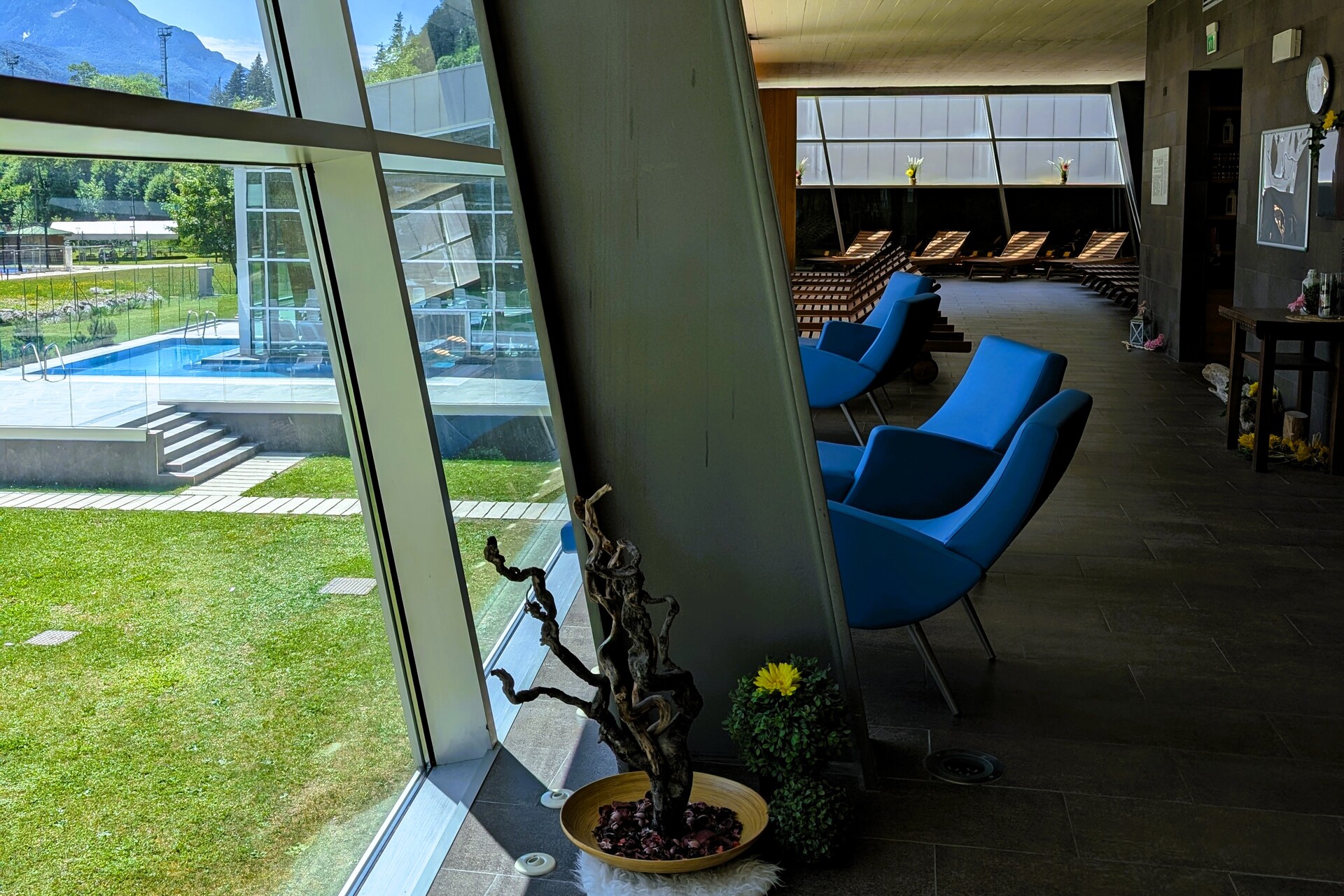
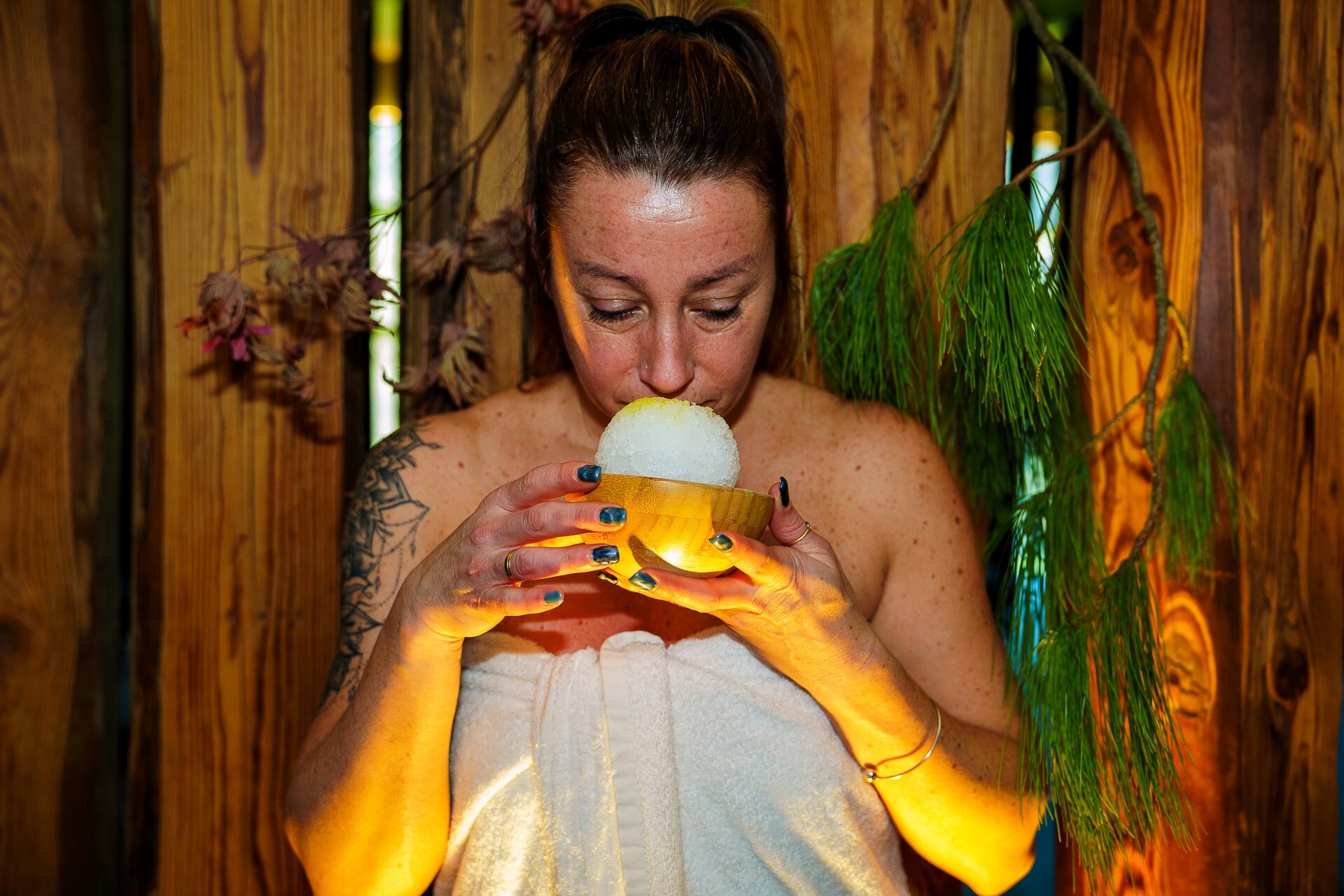
The wellness area offers saunas, a Turkish bath, a Kneipp circuit and relaxation spaces, with rituals and events such as Aufguss and Scrub.


Beauty, fitness and personal care
The Terme di Arta offer more than treatments and swimming pools. Part of the complex is dedicated to beauty and personal care, with beauty treatments and specialised services.
The same building also houses a gym, complementing the treatments and rehabilitation programmes with facilities for physical activity.